


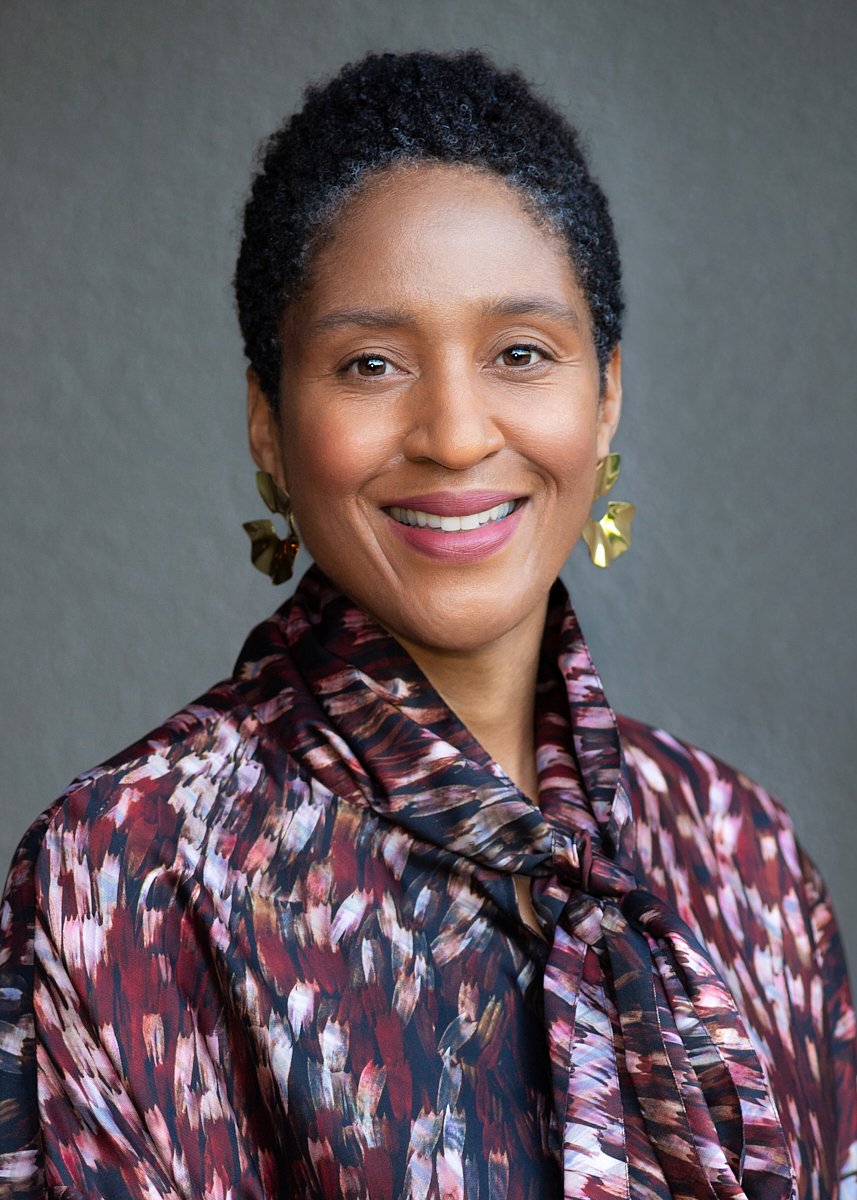
The Museum of Modern Art has appointed Makeda Best as its new chief curator for photography, the New York institution announced on June 2, filling a position that had been vacant since the departure of Clément Chéroux in 2022.
Best arrives from the Oakland Museum of California, where she has served as a deputy director of curatorial affairs since 2023, overseeing collection displays and special exhibitions. Her new role, which will begin in September, encompasses all aspects of the department, including acquisitions, installations, exhibitions, publications, and loan programs.
“MoMA is one of the only institutions in the world with the platform and the commitment to photography that these times demand,” Best said in a statement. “Photography is vital to understanding who we are as a society. I look forward to pursuing new research, and to helping audiences develop the visual and critical tools needed to navigate this complex world.”
Best is the second chief curator to have been appointed by MoMA’s new director, Christophe Cherix, who took over from Glenn Lowry, the museum’s long-serving head, in September last year. Cherix previously appointed Jodi Hauptman to lead his former department of drawings and prints. Best will be one of few Black curators hired by MoMA under Cherix’s tenure and follows the departure of emerging photography curator Oluremi Onabanjo from MoMA to the Metropolitan Museum of Art earlier this year.
After training as a photographer at CalArts, Best obtained a history of art and architecture doctorate from Harvard—her dissertation focused on Alexander Gardner, a Civil War photographer—and went on to serve as a photography curator at the Harvard Art Museums. In Cambridge, her studies fed into exhibitions including “Devour the Land,” which looked at the impact of U.S. militarism on the environment. Alongside her work at the Oakland Museum, Best has curated exhibitions elsewhere, including “American Job” at New York’s International Center of Photography, a survey of 20th-century photographs documenting labor organizing and strike activity.
MoMA, which has exhibited and collected photography since being founded in 1929, boasts a sizable photography collection spanning 35,000 prints and objects. Since the museum’s renovation in the late 2010s, MoMA has integrated this collection alongside works of painting, sculpture, and drawing, rather than presenting it separately.
“Makeda’s distinguished career as a curator, scholar, and institutional leader brings a fresh vision to the field,” Cherix said in a statement. “She champions photography’s singular power to connect with audiences through storytelling, seamlessly crossing boundaries into sociology, environmentalism, performance art, labor, and civic life.”
