


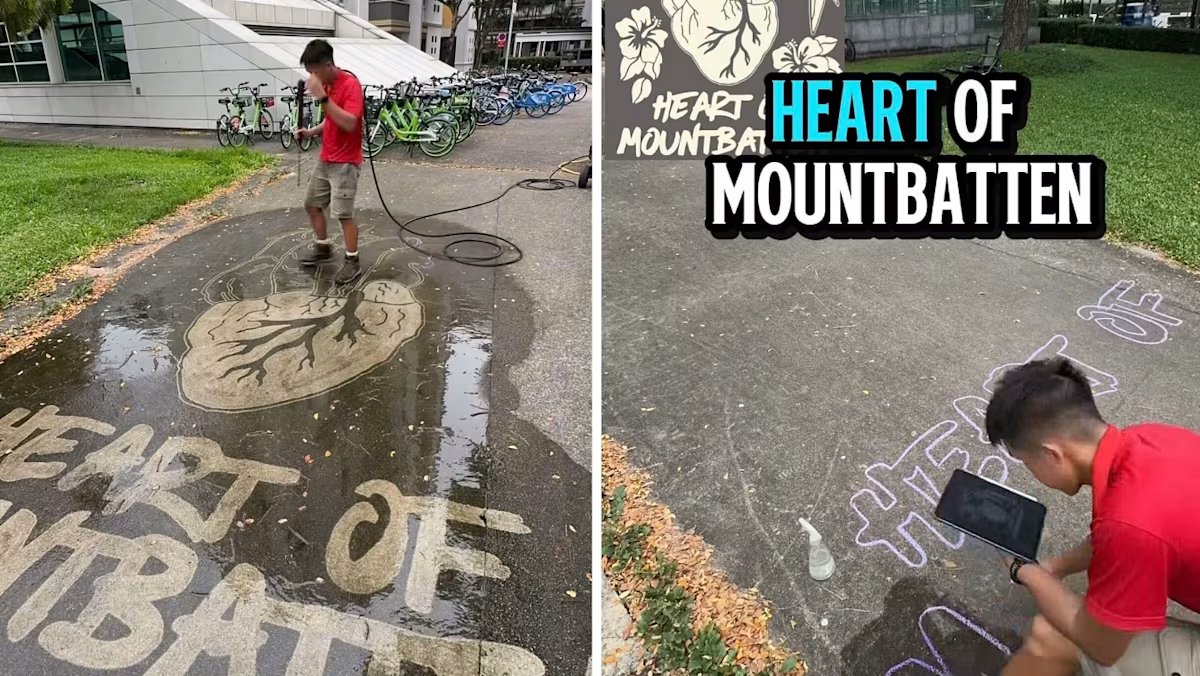
The irony is that counterculture and subversiveness are very much part of street art, and there is a broader question of whether the concept of “street art” can even be said to exist in a place like Singapore where there are tough rules on vandalism and where the display of public art requires licensing and permits.
That said, Futura himself noted in his 2019 trip to Singapore that it is possible for too much unrestrained street art to create a “depressing” air.
Where that fine line is, between a “desirable” state of messiness and over-manicured sterility, is something that is constantly under negotiation – not just here, but everywhere in the world. A common proposition is that public spaces are for everyone to share, and that things which appeal artistically to one segment of the population may well offend another.
In Singapore, it is also part and parcel of living in a multicultural and pluralistic society that we tolerate and embrace differences while being careful not to offend.
Yet, the recurring question raised by cases such as Mr Pang’s is whether too often, our instinct is to regulate or erase first and discuss later.
Public art, by its very nature, sits uneasily between the competing ideas of creative expression, community ownership, taxpayer dollars and bureaucratic control. The debate over creative uses of public spaces extends beyond visual art. Just a few months ago, mirrors along an underground linkway at Bayfront MRT station were frosted after complaints that dancers using the area as a makeshift practice space were obstructing pedestrian flow.
While tension is inevitable, the speed with which we default to removal, be it an artwork or the presence of dancers, arguably, does not have to be.
