


Given the conversations around Supergirl‘s box office – and the fact that this is far from the first time a comic book movie has underperformed recently – you could be forgiven for questioning whether the sky is falling for the genre. At least that’s what some of the more hyperbolic commentary has suggested: despite the somewhat inevitable bankability of both Spider-Man: Brand New Day and Avengers: Doomsday. And while this isn’t a binary conversation determined by box office passes and fails, there is absolutely a conversation to be had about how the broader box office trends will be interpreted inside Hollywood’s c-suites, and what that will lead to. For one insider, there’s already a shift.
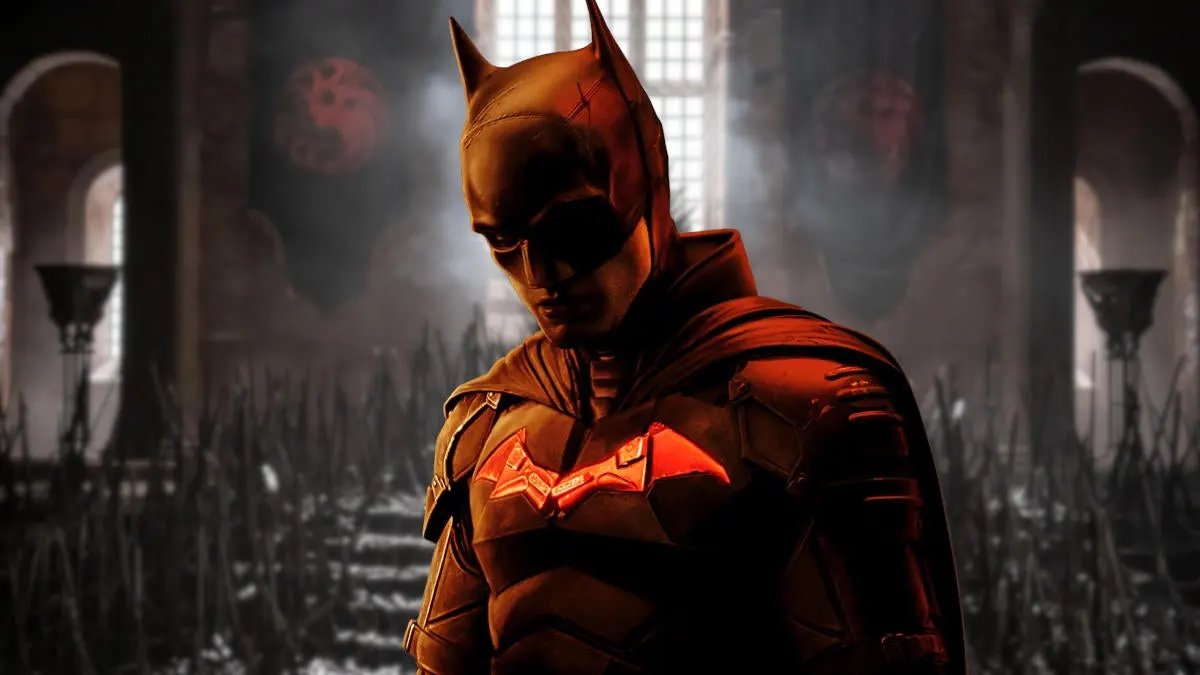
In a recent conversation on X, The Batman Part 2 writer Mattson Tomlin questioned the future of big-budget comic-book adaptations. Tomlin, a comic author and screenwriter whose film work includes The Batman Part 2, the criminally underrated non-comic superhero story Project Power, and an upcoming adaptation of Keanu Reeves’ graphic novel series BRZRKR, indicated studio attention was shifting to video game adaptations rather than comic-book blockbusters. Ironically, Tomlin’s opinion came in response to a fan question regarding the apparently mothballed Mega Man film:
Hollywood is sort of making a shift from being comic book obsessed to video game obsessed so I wouldn’t be surprised if it sees the light of day in some form, but after so much time gone by, it’s unlikely I’ll have anything to do with it.
— mattson tomlin (@mattsontomlin) July 1, 2026
The Mega Man adaptation, for which Tomlin had written multiple draft scripts, may not be a Hollywood priority, but film adaptations of video games are. According to Tomlin, studios are showing more consistent interest in game adaptations than comic book films by a significant degree.
My point of view is also born out of the fact that I am getting at least 5x more offers for video game adaptations than comic book adaptations this year.
— mattson tomlin (@mattsontomlin) July 2, 2026
Unexpected Success and Failure Have Both Changed Expectations
Image courtesy of Wikimedia Commons
It’s tempting to blame Hollywood’s growing disinterest in superheroes on underperforming recent releases. Several recent superhero adaptations have been critical and commercial failures, a trend that shows no signs of stopping: several notable comic-book bombs actually outperformed the recently released Supergirl, at least so far. On the opposite side of the equation, game adaptations have found unexpected success on comparatively modest budgets. Markiplier’s passion project, Iron Lung, was a surprise success that turned a significant profit. Likewise, Kane Parsons’ Backrooms, which began as Internet lore and inspired several liminal-horror video games before hitting the big screen.
Superhero Movies Are No Longer Too Big To Fail; Game Adaptations May Be Small Enough to Survive
Much of the success of superhero adaptations over the past 15 years came from studios, particularly the Disney/Marvel junta, turning big-budget projects into events, can’t-miss cultural phenomena with culture-saturating advertising. Cooling mainstream interest may be making that model unsustainable.
The same phenomenon could be responsible for Tomlin’s uptick in game-adaptation interest. Successful video game adaptations have consistently been lower-budget and smaller-scale, helmed by creators invested in the project. Kane Parsons, Mark Fischbach, and other artists understood their work. Focusing on niche appeal got Backrooms into the top 10 all-time most successful horror films, set Parsons up to adapt Portal, and saw Fischbach’s Iron Lung, a niche adaptation of a niche videogame helmed by a YouTuber, outperform Avatar in theaters. Lower costs, tighter stories, and positive word-of-mouth could be a tenable fix for the struggling superhero model, where bloated budgets supporting relentless advertising of less-than-beloved projects could feed burnout and negative audience response.
Then Again… We Could All Be Wrong
Or not! Trends are recent and fickle. Several comic book properties have done well in recent years. Certainly, being based on a video game is no guarantee of cinematic success, as critically brutalized and commercially ignored films like Eli Roth’s Borderlands and Return to Silent Hill can ruefully testify. What’s clear from Tomlin’s take is that Hollywood’s priorities are changing. Creators and studio executives alike are looking for a new model that will monetize geek media in a way that serves both fans and the bottom line.
What do you think? Leave a comment below and join the conversation now in the ComicBook Forum!
