


April 26, 2026, 9:00 a.m. ET
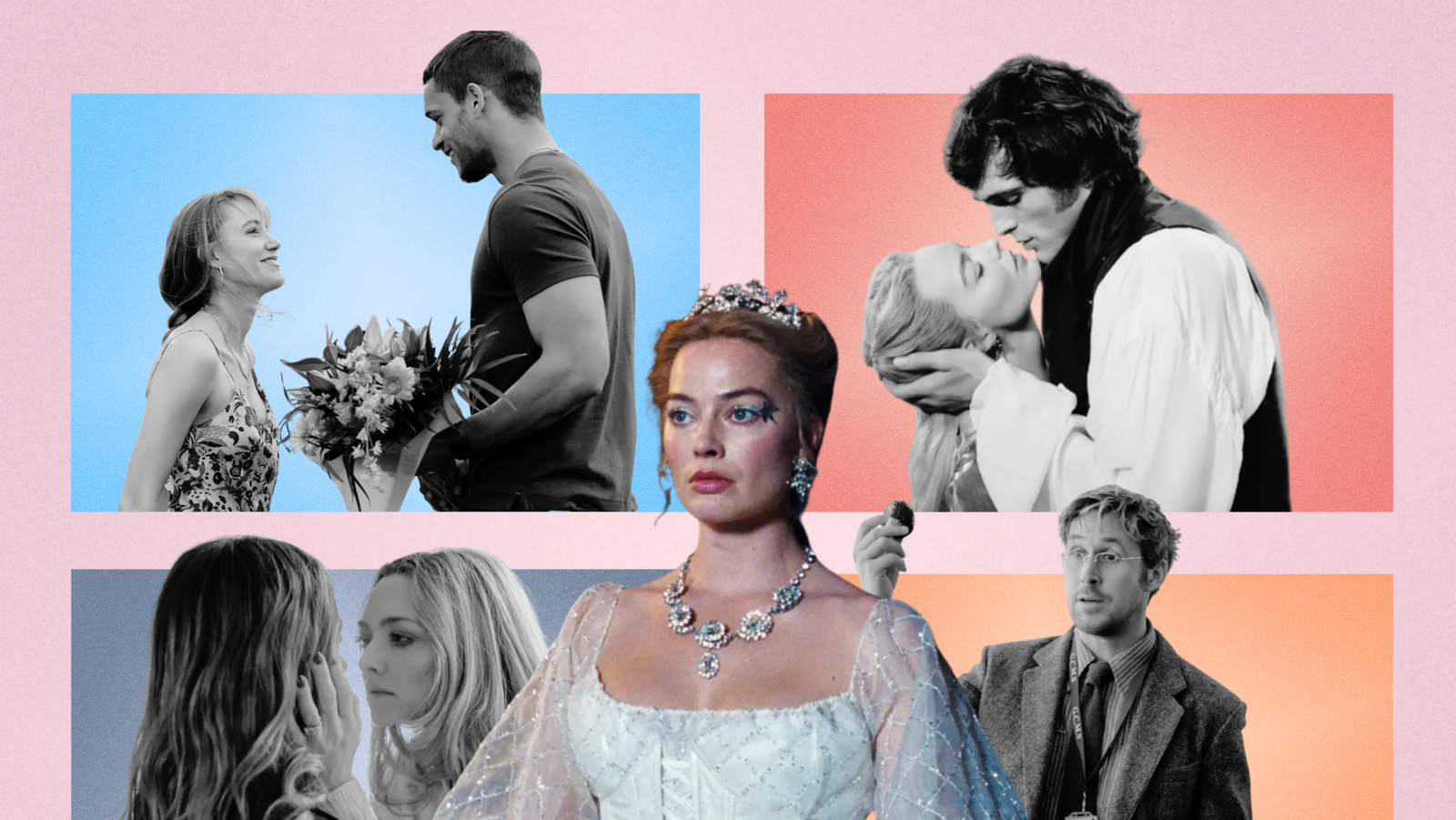
Some of the biggest box office hits in the past year haven’t been revolutionary new ideas, they’ve been adaptations from books that people already know and love. Some examples include “Project Hail Mary,” “Wuthering Heights,” “Reminders of Him,” and “The Housemaid.”
More: ‘Project Hail Mary’ reinvigorates the science-fiction genre
With millions of dollars in box office revenue, it’s not a question of the movie’s financial success. Instead, the question becomes how well-received the movies will be when paired with their respective novels.
As viewers, it’s easy to evaluate these films based on their faithfulness to every minute detail of the book. While it’s obviously important for a film adaptation to be faithful to the book’s original plot and messages, when you judge a film adaptation solely on its accuracy, you lose all the value of the new piece of media.
It’s impossible for a film to ever exactly match the world created in a novel.
There are always limits for a film production on who you’re able to cast, the special effects you can manage, and available shooting locations. Asking a movie adaptation to be a replica is an impossibly tall, and frankly boring, request.
There are hundreds of social media channels, blogs, and podcasts dedicated to these frame-by-frame comparisons. In most cases, the conclusion is the same: the film is different from the source in some way.
That being said, there’s also an important distinction to be made between what can be called a proper “adaptation” versus a movie that’s “inspired” by a source text.
More: Here are the books that should be on your shelf in 2026
Emerald Fennel’s “Wuthering Heights” adaptation has stirred massive controversy among viewers because of how far it strayed from Emily Brontë’s original novel.
Critics cite Heathcliff’s casting, overemphasis on the romantic themes of the story, and general erasure of some of the novel’s heavier themes as doing a disservice to the original novel. This movie has sparked a debate about whether or not we can even call it an adaptation with so many important elements removed.
Ultimately, it’s also important to remember that studios only want to make films that will sell. So oftentimes, that means bringing in big-name stars even at the expense of accuracy.
In the case of Jacob Elordi’s Heathcliff, casting a white man to play a character whose “otherness” in the novel is shaped by race and class removes an important layer of social commentary that Brontë was able to create.
The paradox lies in the fact that people are frustrated with Emerald Fennel’s seemingly convenience-driven approach of adaptation, yet an equally large group of people has taken the liberty of accepting the film as a loose interpretation of the original text.
Going from text to screen introduces a whole new team of creative minds working to create a final product they’re proud of. So there’s a level of nuance required when evaluating whether or not a movie adaptation was successful. Balancing both the fidelity to the original book and how enjoyable the movie is as its own independent piece of media.
Want more opinons? Sign up for the FSView Newsletter
With over $240 million of box office revenue, one can only assume that the online controversy about “Wuthering Heights” fidelity only drove more people to theaters.
As it is, there are too many movie adaptations and remakes dominating theaters. In a moment where movie ticket sales have dropped in response to online streaming, we should be using engaging new projects to bring people back to theaters. I understand the anxieties of not selling tickets and that it’s always a risk to try to release a new movie in the age of streaming.
Yet there’s also a danger of falling into the creative rut of only releasing adaptations and remakes. These films come with built-in comparisons, and there will always be something the devout book fans aren’t happy with.
Inevitably, there will be a million more movie adaptations released in the coming years. The best thing to do is go into them with a perspective of cautious optimism. Yes, notice any important omissions, but also appreciate the film for its own stylistic vision of the text.
Ava Werner is an English major at Florida State University and a Staff Writer for the Views section of the FSView & Florida Flambeau, the student-run, independent online news service for the FSU community. Email our staff at contact@fsview.com.
