


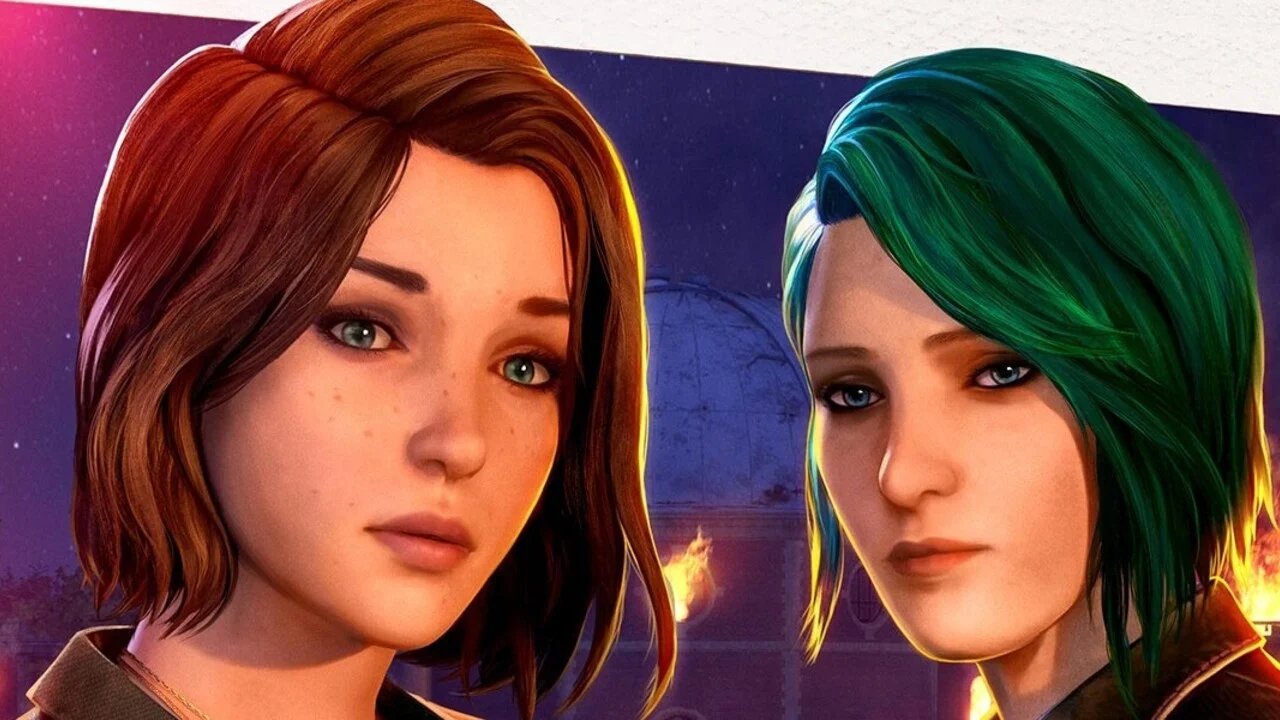
The Life Is Strange series comes to its supposed end with Life Is Strange: Reunion, a quasi-sequel to the 2015 original, and a full-on sequel to 2024’s Life Is Strange: Double Exposure. However, its commitment to either of those prior games is a little inconsistent, leading to a disappointingly flat and messy finale.
We’d say that Reunion is basically the first proper sequel in the series, in the sense that you’ll be pretty confused as to who is who if you haven’t played Double Exposure. Picking up nine months after that game’s destructive storm, Max Caulfield is thrown back into some fiery university drama.
Having been off campus for the weekend, Max returns to find Caledon University in flames. With evidence of a mysterious protest and some of those she holds dear meeting their crispy ends, Max jumps back in time to try and find out how the fire started and why there was a protest, to hopefully stop it all from happening in the first place.
The complicating factor is that Max’s once-dead girlfriend Chloe is very much alive and kicking, weaving in some multiversal strangeness with its fiery central mystery.
So let’s start with the good: Reunion’s (ahem) reunion is its best aspect. There’s a palpable sense of chemistry between Max and Chloe, with a tinge of timeline sadness too, as the now-alive Chloe has a very different recollection of the last decade than Max does.
Like how we enjoyed seeing a grown-up Max in Double Exposure, it’s a delight to see Chloe brought to life once more. She’s still the same edgy punk, but she’s been softened a little with age. It’s very well done, and Rhianna DeVries does an excellent job of making Chloe just as likeable and boisterous as we remember.
Reunion really hinges on you having that emotional connection to the two doomed lovers, so if you’ve either not played the original or you haven’t played it in a long time like us, that emotional core may be lost a little.
That being said, we really liked the melancholic vibe in Max and Chloe’s scenes, like two lovers given another chance they can’t quite believe, but are always scared it’s on the verge of being taken away again. We’re suckers for a lost love storyline, so there are a lot of great scenes there.
The issue is, it never quite feels like the natural conclusion to the series in the way Reunion wants you to believe it is, and that’s because of the game’s identity as a sequel to Double Exposure.
Most of the cast from the last game return, like the lovable geek Moses and the committed podcaster Loretta. But now with the new fiery threat, you’ll be digging into the university’s past with your choices from the last game influencing your relationships.
However, it’s a real disappointment in the end because almost every narrative thread feels like it’s been relegated to a side story this time around. Big characters from the last game, like Safi, Amanda, and Yasmin, never feel quite as central to the story here. And there is some dissonance between the actions of the last game and this, like the disgraced former lecturer Lucas still kicking about at the local uni pub.
It’s almost as if there was a sequel here built off the relationships and characters from Double Exposure, but then somewhere along the way, it became the Max and Chloe show.
In that sense, Chloe doesn’t really feel like an organic part of this story. And while we’d never expect a Life is Strange game to get into the semantics of alternate realities and merging timelines, we were never quite satisfied with the explanation of how Chloe was there at all. It leaves both aspects of the game constricted, rather than giving either one the room to properly breathe.
For the time-weaving detectives out there, Max’s rewind skill from the first game is back, replacing Double Exposure’s two timelines mechanic. It never feels quite as complex, but getting a little information out of someone, rewinding, and then using that info to make them open up a little bit more is quite fun.
And we have to say, there’s a surprising amount of stuff that you can miss to change the outcome of the story. You can fail to get information out of someone, and sometimes you even miss conversations entirely. Come the end of our playthrough, there were characters involved in the Caledon disaster, and we had no idea how or why.
That will encourage the enthusiasts out there to give it another go and try things differently. But if you’re anything like us, you’re probably just going to look up how things panned out on YouTube, rather than going through it all again, especially since the pacing is quite slow.
We played the game across both PS5 and PS5 Pro, and as you may expect, these are nice-looking games but not exactly technical marvels. There is no Pro Enhanced version, so performance is consistent across both consoles, meaning you’ll experience subtle yet consistent pop-in and stuttering between adjoining dialogue options. Sadly, there’s no real DualSense support here.
Conclusion
Life is Strange: Reunion could have been a full Double Exposure sequel, and it could have been a full Max and Chloe entry. Instead, both narratives are squeezed into a bloated finale with dull pacing and a lacklustre resolution. There are sparks of brilliance in there and fantastic chemistry between its two leads, but it’s never given the love and care to blossom into something beautiful.
