


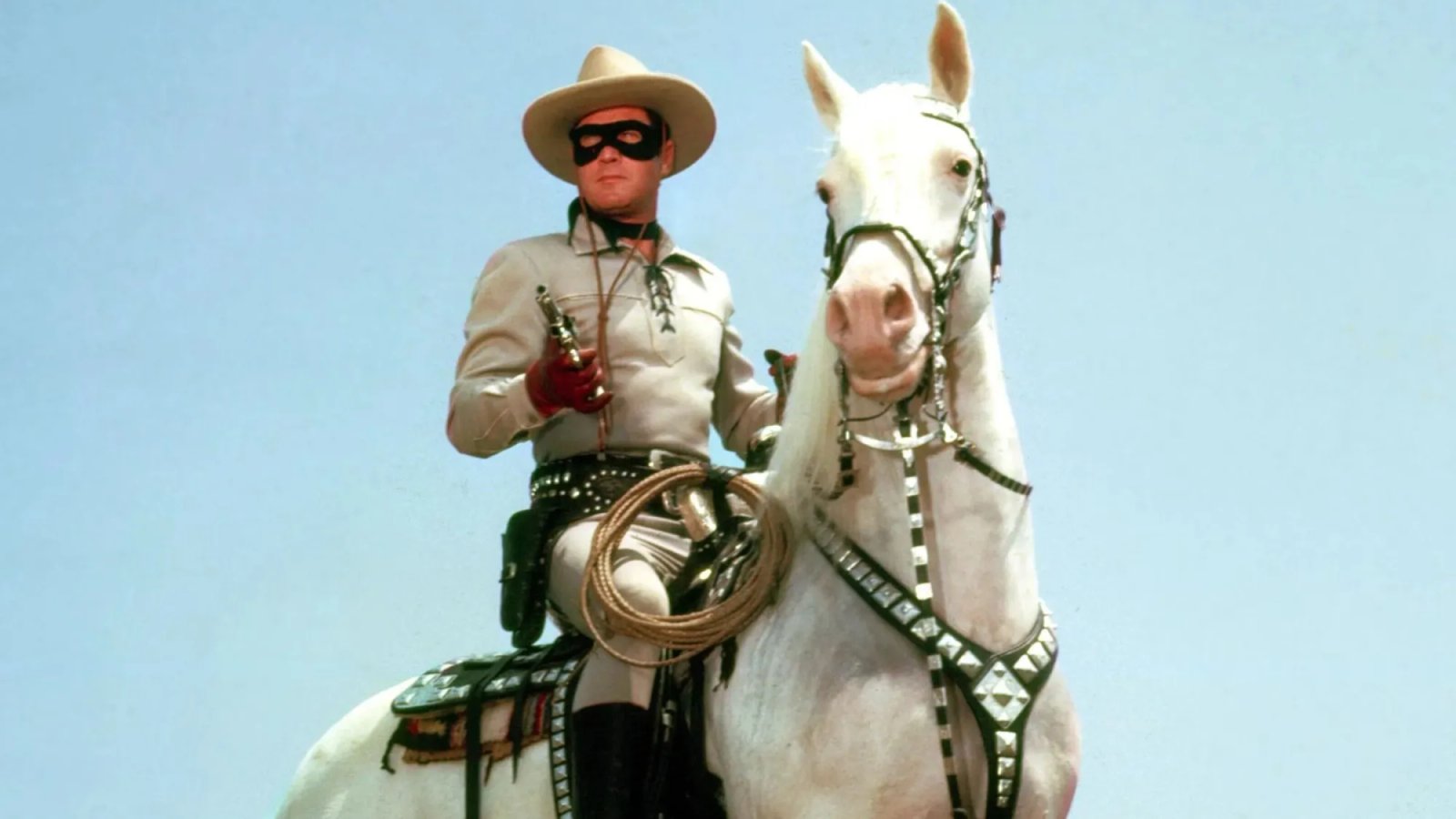
Almost seven decades ago, one of the most influential and symbolic Western series ever made came to an end. It helped shape the narrative language of weekly TV and defined the masked hero archetype in popular culture. At a time when the medium was still finding its footing as a form of mass entertainment, every new hit had to prove its value quickly. And among the many Westerns that showed up during that era, this one stood out — not because it was especially complex, but because it was consistent and had an immediate connection with audiences. To put its impact into perspective, its formula would be copied over and over again for years.
But as time goes on and more shows are created, some inevitably have to make way for what comes next, especially those that manage to surpass the 100-episode mark. Back then, that usually just meant the format had run its course within the network’s programming strategy. So in the case of this particular show, its ending in the late ’50s wasn’t exactly a shock, but it did mark a very symbolic turning point: the evolution of TV itself.
The Lone Ranger Was One of the Most Iconic TV Shows Ever Made
image courtesy of abc
Released in 1949, The Lone Ranger followed John Reid (Clayton Moore), a former Texas Ranger who survives an ambush and takes on a masked identity to fight crime across the Old West. Alongside Tonto (Jay Silverheels), his trusted partner, he traveled from town to town helping communities, taking down criminals, and solving conflicts wherever he went. The formula was usually the same: the hero arrived when things seemed completely out of control and left once order had been restored. The show was also highly episodic, and it benefited from the popularity of the property itself, which had originally started as a radio program back in 1933.
But the impact of the series, which ran for more than 221 episodes, goes far beyond its episode count. It helped establish a template that TV would follow for a long time: morally unquestionable heroes, very defined villains, and situations resolved within a predictable structure. In the ’50s, the industry needed shows that people could watch weekly without having to remember what happened the week before. In that sense, The Lone Ranger was practically a blueprint for how to structure a successful TV production.
And for a long time, everything worked exactly as intended. The show cemented the definitive image of the masked hero and became a major cultural and visual reference point. Long before superheroes took over pop culture, the protagonist of The Lone Ranger already embodied many of the same traits: a secret identity, a strict moral code, a commitment to justice, and an instantly recognizable image. Even people who had never watched a full episode could identify the show’s most iconic elements. Plus, Moore’s performance became so synonymous with the character that, for many viewers, the actor and the hero were essentially the same.
image courtesy of abc
But then came 1957, and The Lone Ranger reached the end of its run. Interestingly, it didn’t generate the kind of big reaction people might expect today. As mentioned earlier, shows simply ended when they lost momentum or when networks wanted to refresh their schedules. The idea of a major series finale event didn’t really exist yet. That way of looking at TV endings would only develop much later, when pop culture started revisiting its own history with greater interest. However, in many ways, the show’s conclusion unintentionally marked TV’s transition away from an extremely formulaic era and toward stories with more complexity, more morally ambiguous characters, and less predictable structures. The traditional Western was beginning to lose ground to something more modern.
So, of course, given the show’s legacy, it was only a matter of time before someone tried to bring it back for a new generation. After all, this was TV history. And that’s what Disney decided to do — although the concept ended up working much better on paper than in reality.
Disney Tried To Reboot The Lone Ranger and It Failed Spectacularly
image courtesy of walt disney pictures
In 2013, Disney attempted to turn The Lone Ranger into a modern movie franchise. In theory, it sounded like a smart move, especially considering how difficult it has been for the studio to launch original blockbuster franchises over the last few years. The plan was simple: take a classic icon and update it with large-scale action, contemporary humor, and a more self-aware tone. Casting Johnny Depp as Tonto was also one of the project’s biggest selling points, given the popularity and goodwill he had built with audiences over time.
But unfortunately, the reboot ended up highlighting exactly the kind of problems these projects often face: the film tries to balance respect for the original material with a desire to deconstruct it, but finding a stable middle ground between those two approaches is easier said than done. As a result, the new John Reid (Armie Hammer) is often overshadowed by inconsistent tonal choices, and the story loses focus as it moves forward. Even the relationship between Reid and Tonto feels strangely disconnected, as though it exists more to justify a modern reinterpretation than to support an engaging narrative. The response from both critics and audiences was overwhelmingly negative, and the box office fell well short of expectations for a production of that size, ending any plans for a larger franchise.
image courtesy of walt disney pictures
At the end of the day, what this story really proves is that it’s about more than just one TV show — it’s about how TV and film deal with legacy. The Lone Ranger originally worked within a very specific framework that belonged to its era, and that’s not something that automatically translates into modern entertainment without significant adjustments. Disney’s attempt was understandable, but modernizing a classic doesn’t automatically make it relevant again.
Sometimes, the value of a legendary piece of entertainment lies in understanding the context in which it was created and accepting that it works best as a snapshot of its time. In many ways, it’s far more rewarding to celebrate The Lone Ranger for the legacy of the show and forget about the idea of a reboot.
What do you think? Leave a comment below and join the conversation now in the ComicBook Forum!
