


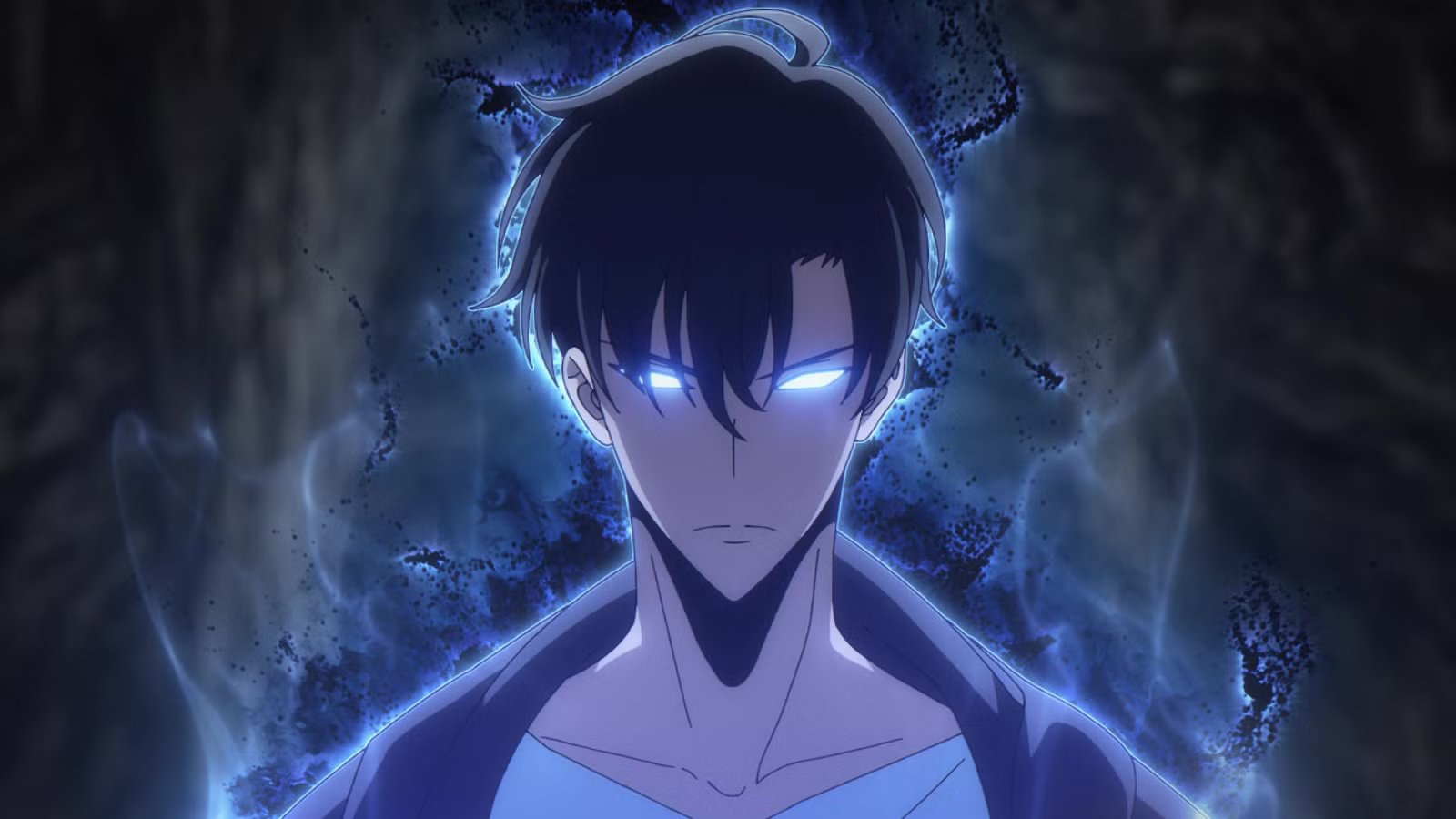
Anime’s global popularity is on the rise, and Japanese studios are constantly hunting for new IPs that have the potential of appealing to viewers worldwide. However, according to Tomohiko Ito, who has directed various works on behalf of A-1 Pictures (of Solo Leveling fame), creators are needlessly oversaturating the industry with manga-to-anime adaptations when other mediums carry just as much (and possibly more) creative potential.
In a recent interview with Mantan Web, Ito participated in an in-depth conversation regarding his upcoming anime film, The Keeper of the Camphor Tree, which is set to debut in Japan on Jan. 30, 2026. Unlike the vast majority of theatrical anime productions, this new feature is based on a novel series by Keigo Higashino. Initially released in March 2020, the first book was extremely successful, selling over a million copies as of January 2026. Despite Higashino’s popularity, Ito’s Keeper of the Camphor Tree film is the first anime adaptation of the author’s work.
Keeper of the Camphor Tree Won’t Appeal to ‘Traditional Anime Fans’, According to Director
Ito has an impressive track record within the anime industry. Over the years, he has garnered a positive reputation by directing hit works such as Sword Art Online, ERASED and the 2019 science-fiction film Hello World. However, Ito recognizes that many popular anime works are characterized by similar elements, suggesting a growing lack of diversity within the medium.
“In recent years, what’s been required of anime is action, songs and journeys to other worlds,” he explained. Traditionally, creators have looked mostly to manga (and occasionally light novels) to provide this type of source material. According to Ito, Higashino’s Keeper of the Camphor Tree novel is quite “plain” when compared to many contemporary anime stories.
The narrative revolves around Naoi Reito, an average office worker who loses his job after being arrested due to a misunderstanding. After his lawyer strikes a deal on his behalf, Reito is approached by his late mother’s half-sister, who asks him to become the guardian of a large camphor tree that is later revealed to possess mysterious powers. “There’s no flashy action, and the characters aren’t involved in a major incident that threatens the survival of humanity…but it’s a universal, solid and moving work,” Ito stated.
Recounting a past staff meeting with Aniplex, Ito recalls that he described Camphor Tree as a particularly ‘demanding’ work that wasn’t likely to appeal to traditional anime fans. However, this fact did not negate its ‘worth’ as a creative project. “I think it’s good to have works like that…looking at the industry as a whole, I feel that it’s not good if someone doesn’t make at least one of these films a year,” Ito said, referring primarily to films that have a wide-reaching appeal that defies the “segmenting” standard of the industry.
As prominent industry reports have observed, anime studios are more likely to approve works with ‘proven track records,’ as well as works that have the highest likelihood of success with overseas markets. Manga, being Japan’s most prolific media export (aside from anime itself), is naturally the go-to medium for most producers. Additionally, most manga are categorized according to their target demographic (shonen, shojo, seinen, etc.), making the process of “segmenting,” or targeting viewers with specific interests and tastes, easier for marketing purposes.
In Ito’s estimation, the anime industry is relying too heavily on established marketing traditions instead of taking on “challenging” works which have the potential to resonate with the humanity of all viewers. “It’s sometimes said that it’s impossible to target a wide audience without segmenting. I understand that sentiment, but I also feel that everyone is segmenting their films too much these days,” Ito stated.
“It seems like it’s going to become increasingly difficult to create works like [Camphor Tree] in the future. Someone has to keep making them, either by passing the baton to someone else or making them themselves…if we don’t…they’ll all end up being based on manga.”
For TV anime releases, the industry is gradually starting to embrace source material other than manga. In addition to anime based on manhwa (Korean comics), anime adaptations of light novels — short, easy-to-read stories with occasional manga-style art pages — have become increasingly common over the last decade.
While traditional Japanese novels are comparatively more risky to adapt, Ito believes that they still provide a rich creative foundation where “realistic and manga-like” visuals can be utilized, resulting in truly unique anime films for audiences.
