


There are few studios with track records as consistent as Bungie. From Halo: Combat Evolved to Destiny 2, it has built a reputation on tight gunplay, immersive worlds, and strong multiplayer. Marathon follows these same trends, but takes a different path by embracing the growing extraction shooter genre. Rebooting Bungie’s classic franchise in this way is a bold move, and it certainly stands out in the crowded shooter genre.
After spending dozens of hours with Marathon, it is clear Bungie has created something special and compelling, but it just doesn’t feel complete. The core experience is strong, with some of the best shooting mechanics and most striking art directions in gaming. However, the delay of endgame content, a structure that overwhelmingly favors team play, and a gameplay loop that feels punishing to those who cannot commit, hold it back. Marathon is a game with incredible potential, but it feels like it is still finding its footing.
Rating: 3.5/5
ProsConsIt’s bold and vibrant aesthetic makes it stand out.Delayed and scheduled end-game content makes the game feel incomplete.The lore and worldbuilding pull players in.The solo experience feels like an afterthought.Bungie’s gunplay has never felt better.Runner Shells are not created equal.Progression is satisfying and challenging.Casual players will not being able to compete in the long run.
A Strong Foundation Built on Bungie’s Strengths
image Courtesy of Bungie
At its core, Marathon is an extraction shooter set on Tau Ceti IV. Players take control of Runners sent to recover valuable loot from a failed colony. Each match drops players into one of several maps where they must gather resources, complete contracts, and successfully extract. Failing means losing everything, and you will fail often. This risk creates constant tension and makes the gameplay feel more like a horror game than an extraction shooter, and I absolutely love the tension.
Bungie’s expertise is immediately noticeable in the gunplay. Weapons feel responsive and impactful, no matter if you were using assault rifles, sniper weapons, or close-range options; every shot carries weight and feels so satisfying. The time to kill is fast, which keeps encounters intense and forces players to think carefully about positioning and engagement. Skill was rewarded not just for aim, but also for understanding your environment and using sound cues.
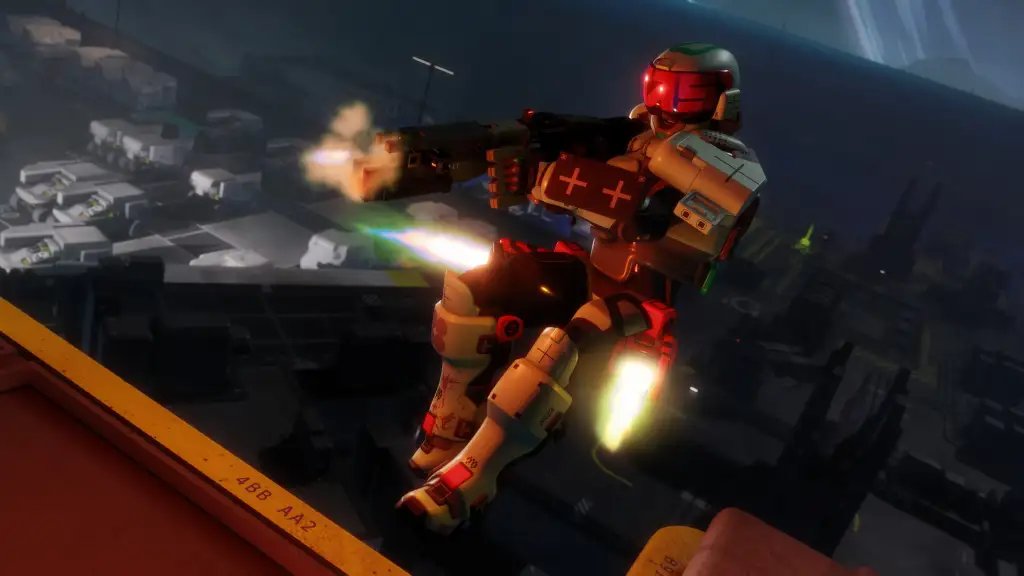
The art style is another standout feature, and possibly my favorite part. The game uses a vibrant, futuristic aesthetic that combines bold colors with detailed environments, which makes it feel distinct from other shooters on the market and helps Marathon carve out its own identity. Combined with strong sound design, including directional audio cues that heighten tension, the game creates a world that feels alive and dangerous, both in its PvE and PvP.
Progression, Lore, and What Keeps Me Playing
image Courtesy of Bungie
One of the most impressive aspects of Marathon is its lore and worldbuilding. As a reboot, three games were released before it, and even before Halo: Combat Evolved. Bungie has managed to incorporate this even while completely changing the genre. This is even more impressive when you consider that the extraction shooter genre is not normally a tool for telling a story. I do feel that the narrative would be better suited for a single-player title, but it still works here. In fact, the way it is presented and given piece by piece makes me only want to learn more.
This directly ties into the progression system. Rather than relying directly on loot like other extraction shooters, Marathon incorporates various factions that offer players contracts, acting as quests that unlock new upgrades, gear, and abilities over time. This system provides a steady sense of growth, even when individual runs end in failure. They also contribute to the worldbuilding and make Tau Ceti IV feel like a real place with history, a history that players must uncover. Audio logs and written entries add depth, rewarding players who take the time to explore.
However, the way this information is presented can feel clunky. The Codex, while rich in detail, is not always easy to navigate. This ties into the deeper UI issues, especially on console, and this can reduce the impact of important story elements. The overall narrative is gripping, but accessing it and just navigating the menus altogether is a nuisance. The more I play, the more I want to dive into Marathon, learning the ins and outs of its system and the world, but these elements repeatedly pull me out.
Marathon Has Its Shortcomings
image Courtesy of Bungie
Despite its strong foundation, Marathon struggles in several key areas. The most significant issue is the lack of endgame content at launch, namely the delayed Cryo Archive map. Even upon release and reveal, it has a limited window in which players can access it, hurting those whose schedules do not align. Not only that, it is less of raid that rewards skill, but more of the same that relies on luck. For a live service game, this creates a noticeable gap that affects long-term engagement and makes the experience feel incomplete for some.
The structure of the game also leans heavily toward team play. While solo play is possible and very fun, it often feels less rewarding. The design clearly favors trios, which can make solo players feel at a disadvantage. Encounters are more punishing, and completing objectives alone can be frustrating compared to coordinated team efforts. After playing, Bungie obviously tacked on this mode after its popularity in Arc Raiders, and I can tell that Rook was the only intended way for players to play on their own.
Balancing is another concern, particularly with Runner Shells. They were not all created equal, and some, like Recon, don’t even feel as good in their specialty as others. With some obviously strong Runner Shells, there is an upset that impacts the competitive balance. Patches may address this issue, but it is a fundamental problem of relying on a hero shooter mentality in which PvP is so important. This leads to how demanding Marathon is for casual players. Matches require focus, time investment, and a willingness to accept losses. The risk of losing gear adds tension, but it can also discourage players who prefer a more relaxed experience.
Marathon is a fascinating and ambitious shooter that showcases Bungie’s strengths while exposing the challenges of launching a live service game. Its beautiful artstyle, incredible lore and worldbuilding, great gunplay, and satisfying progression system make it easy to recommend to fans of the genre. At the same time, its issues prevent it from reaching its full potential. Yet, even with its flaws, I found myself coming back to Marathon. Something is compelling about its tension and its world that keeps pulling you in. With updates and improvements, it has the potential to become one of the standout games in the extraction shooter space.
Marathon is available now on PC and PlayStation 5 for $39.99. A PS5 code for Marathon was provided by the publisher for the purpose of this review.
What do you think? Leave a comment below and join the conversation now in the ComicBook Forum!
