


Key Points
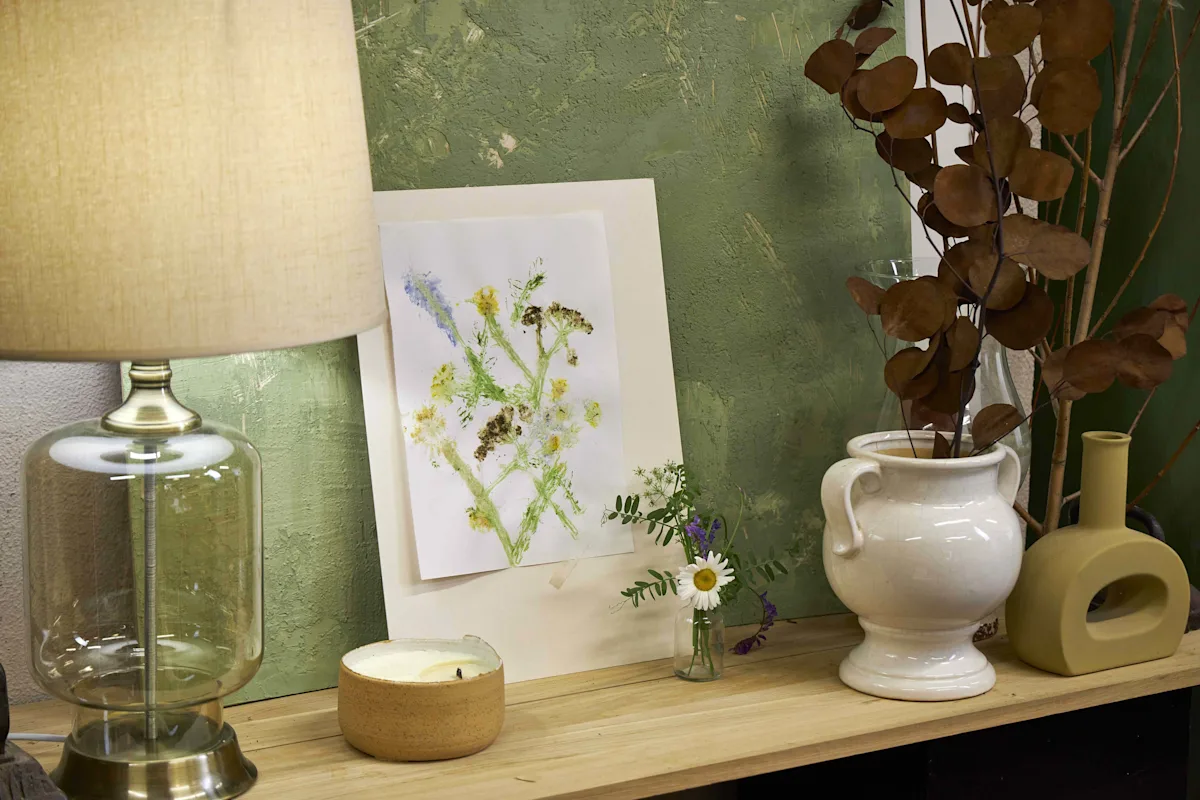
Unframed art is perfect for a relaxed and layered look when you want the art itself to stand out alone.
Leave large pieces unframed; unframed smaller works can make these pieces look unfinished.
If you prefer a framed look but are wary of the cost, elevate readymade frames with a simple mat.
Adorning your walls with beautiful art is a great way to finish off a room, but there’s a lot to consider—a gallery wall, a statement piece that sparks conversation, or something in the middle?
On top of it all, framing your art can be a headache of its own. These days, it seems more and more people are opting to leave their art unframed. So, is this the chic new way to decorate our walls?
We checked in with a few pros to find out.
Meet the Expert
Is Unframed Art Trending in 2026?
KatarzynaBialasiewicz / Getty Images
In a word, yes. Unframed art is a rising trend for the year ahead.
“Unframed art feels fresh because it’s more immediate and less formal,” says designer Steven Graffam. “It lets the work speak for itself.”
As Graffam also points out, interiors are becoming more relaxed, layered, and collected rather than overly refined and curated.
How to Style Unframed Art so It Looks Chic
UnitedPhotoStudio1 / Getty Images
Before you rush to hang your art unframed, art consultant Cass Greatens says you’ll need to make sure your piece is fit to hang this way.
“We recommend evaluating the quality of the materials used and the structure of the canvas, ensuring it’s stretched properly and that the edges don’t compromise the piece’s look,” she says.
Once that’s confirmed, consider the piece itself. Because leaving your art unframed allows for the work to stand out on its own, Graffam says it’s important to focus on the quality and scale of your unframed pieces.
“The edges, material, and craftsmanship are fully exposed, so the piece needs integrity and enough presence to stand confidently on its own,” he explains.
Designer Lauren Lerner agrees, and she says this is why she feels it’s a trend best applied to large-scale commissioned canvases.
“On oversized pieces, the raw edge creates a refined, gallery-style presence and allows the texture, brushwork, and depth to stand on their own without visual distraction,” she says.
For this reason, she loves seeing unframed art in a more contemporary space, or anywhere with clean architectural lines.
“It works best where the art is meant to feel integrated into the design rather than layered on top of it,” Lerner explains.
Common Mistakes to Avoid with Unframed Art
FollowTheFlow / Getty Images
One of the most common problems Lerner sees is when people try to leave their smaller or mass-produced pieces unframed.
“Without the structure of a frame, those works can feel unfinished or visually lost,” she says. “There’s a big difference between a thoughtfully commissioned canvas and an inexpensive ready-made print.”
According to designer John Stivale, it’s not just the piece itself that requires some thought and careful consideration. You have to be thoughtful about where and how you’re hanging this particular piece.
“The installation still needs to feel deliberate,” he explains. “It should have enough breathing room and align thoughtfully with surrounding furniture.”
You’ll also need to consider where the piece is hung, as Greatens points out that anything not protected by glass might be more prone to UV and humidity damage.
“Is it next to sunlight or in an area that experiences drastic temperature/weather changes?” she asks. “These factors should all be considered when hanging unframed art.”
But as you consider your options, it’s also incredibly important to choose unframed art with intention.
“And avoid treating it as a placeholder,” Stivale says. “Unframed should feel like a confident design choice, not something waiting to be finished.”
How to Frame Art Affordably If Unframed Isn’t for You
If you don’t love unframed art but you’re considering it simply to avoid the cost of framing, don’t force it. There are plenty of ways to frame your art without breaking the bank.
Go Readymade
“If custom framing isn’t in the budget, look for readymade frames with clean profiles and upgrade them with a custom-cut mat,” says Steven Graffam. “That small detail makes a world of difference.”
To really make this work, standardize your art sizes before you buy. This way, off-the-shelf frames are an option.
Keep It Simple
Depending on your aesthetic, an ornate frame might be appealing, but often, a simple frame is better for the work itself.
“A thin black, natural wood, or gallery-white frame is timeless and lets the art remain the focal point,” says Graffam.
Source Something Vintage
As another great way to source something for less, Graffam suggests looking into vintage frame options.
“Vintage and antique markets are full of incredible frames with beautiful patina and detail—often for a fraction of the cost of new custom work,” says Graffam.
Use a Floating Frame
If you can’t use something premade, Lerner suggests getting a floating frame.
“A simple floating frame can elevate the canvas without the full custom cost,” she says.
Read the original article on The Spruce
