


When an AI-generated portrait sold for half a million dollars, it didn’t signal the end of human art. It started a conversation the world wasn’t ready to stop having.
getty
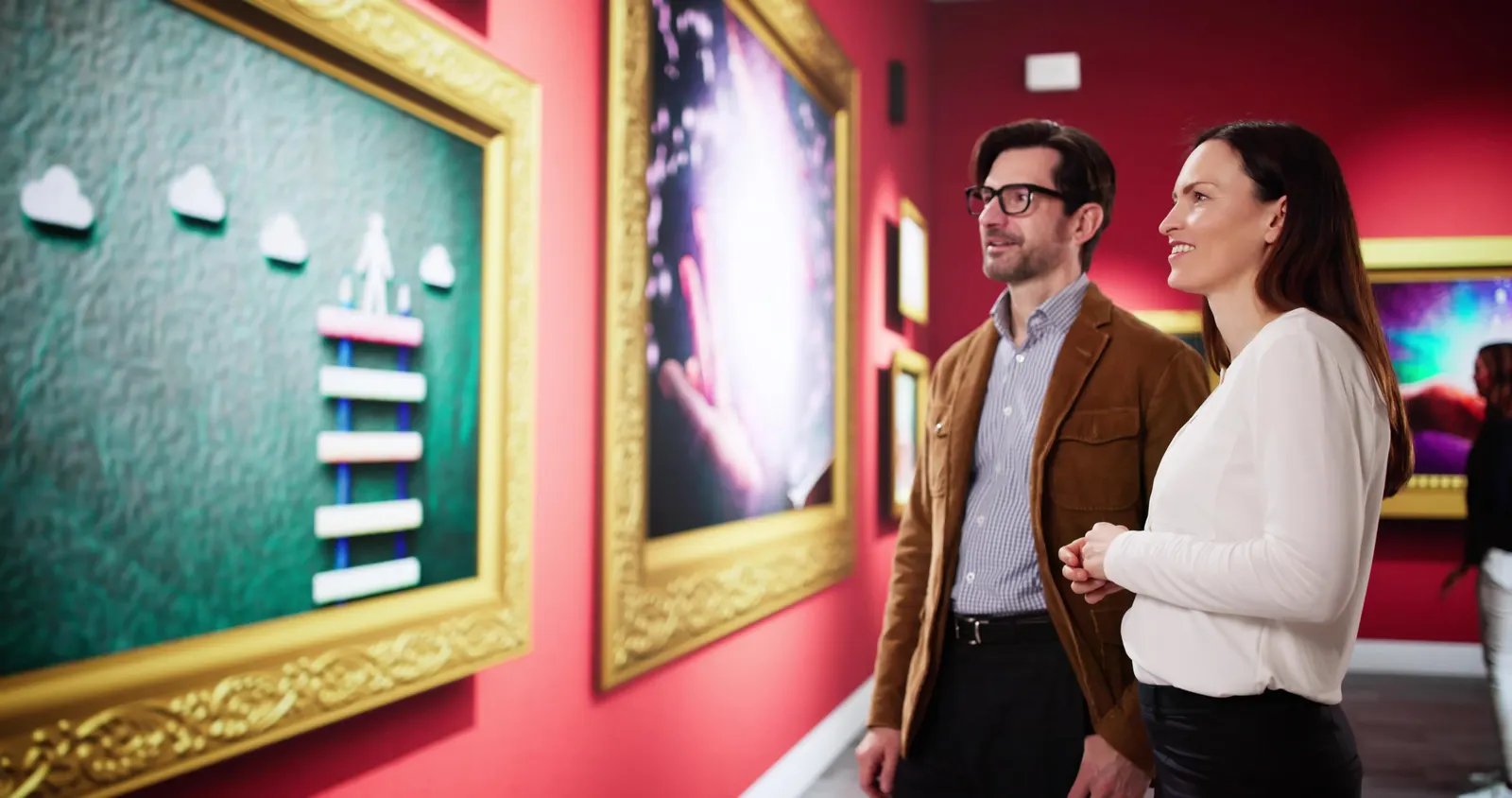
Sarah tilted her head, studying the hazy portrait on the museum wall. A man — or something like a man — stared back at her from the canvas, his features soft and unfinished, as though the artist had grown tired halfway through.
“Edmond de Belamy,” Vincent said, stepping closer with the confidence of someone who had spent the better part of his week preparing for exactly this moment. He had done his homework — read the articles, studied the auction records and rehearsed the story until it felt natural. Tonight was the night to use it. “Sold at Christie’s for nearly half a million dollars.”
Sarah raised an eyebrow. “He must have been extraordinary.”
Vincent smiled. “That’s the remarkable part. No human hand ever touched that canvas. A group of French artists built an algorithm and trained it on 15,000 portraits from WikiArt — paintings spanning five centuries, from the 14th to the 19th. The algorithm studied them and began generating new portraits of its own.
But here’s where it gets interesting — a second algorithm ran alongside it, acting as a critic. Its entire job was to tell the difference between the real historical paintings and the ones being generated. The two kept pushing each other until the moment the critic could no longer tell them apart. That’s the exact moment Edmond de Belamy was born — a portrait so convincing that even the algorithm designed to catch it couldn’t tell if its real or not. The signature at the bottom isn’t even a name. It’s the mathematical formula that created him.”
Sarah looked at the portrait again, this time with genuine wonder rather than suspicion.
“So people are paying half a million dollars to understand where creativity is going,” she said. “That’s actually fascinating.”
Vincent exhaled quietly. It had worked.
That moment in the museum captures something quietly exciting happening across the art world. AI has not simply entered the creative space — it has expanded it, opening conversations about authorship, value and what human imagination can accomplish when given extraordinary new tools.
Three shifts define this remarkable landscape
First, AI has democratized creation in ways that benefit everyone. Tools like Midjourney and DALL-E allow emerging artists to prototype ideas within seconds, compressing years of technical development into an afternoon. For small businesses and independent creators, this levels a playing field once dominated by those with the deepest budgets. Rather than replacing artists, the most compelling work today comes from humans who use AI as a collaborator — guiding it, challenging it and pushing it toward something it could never reach alone.
Second, AI has reignited public curiosity about art itself. The de Belamy moment didn’t shrink museum attendance — it grew it. People who had never debated artistic authenticity were suddenly doing exactly that over dinner. When an AI can generate beauty, humans instinctively begin searching harder for meaning. That search is good for art and good for artists. Generative AI has pulled an entirely new generation of AI artists into conversations about creative value that were once reserved for street walls, art galleries and auction houses.
Third, AI has created entirely new commercial opportunities for creative professionals. Brands, studios and platforms now need human creative directors who understand both artistic vision and algorithmic output. The artists thriving today are those who have embraced the technology rather than retreated from it — using AI to scale their work while keeping their distinctive voice at the center.
The Human Moment AI Cannot Capture
Something the algorithm cannot replicate followed Vincent and Sarah out of the museum that evening. Two blocks from the entrance, a woman sat cross-legged on the sidewalk, finishing a small oil painting of the city skyline at dusk. Her hands were stained with cadmium orange. She had been there since morning.
Sarah stopped immediately, drawn to a smaller piece leaning against the artist’s bag — a hand-painted canvas captured in warmer tones, intimate and unhurried, with the bold swirling brushwork of a Van Gogh brought into the present day. She didn’t say a word. She didn’t have to.
Vincent bought it for her on the spot.
The best future for art isn’t AI versus human. It’s a world curious enough to appreciate both — and discerning enough to know that the most enduring creative work will always carry something no algorithm can manufacture. A point of view. A lived experience. A human being who meant every brushstroke.
