


Hollywood has never been shy about mining its own past, but in recent years, reboots, legacy sequels, and belated follow-ups have become ever more present. In 2025 alone, Freakier Friday reunited Jamie Lee Curtis and Lindsay Lohan 22 years after their beloved original, we watched a reboot of the Naked Gun series three decades after Leslie Nielsen last played Frank Drebin, and Danny Boyle returned to horror with 28 Years Later more than two decades after the original movie. The trend shows zero sign of slowing down heading into 2026 and beyond, with The Devil Wears Prada 2 bringing back Miranda Priestly (Meryl Streep) 20 years after the original, Practical Magic 2 reuniting Sandra Bullock and Nicole Kidman, a fifth Toy Story, a new Shrek, and a Hunger Games prequel all on the horizon. Now, a beloved 1980s comedy is getting an unexpected sequel, decades after it first won over the hearts of fans.
Deadline reported that Cameron Diaz has found a new starring vehicle in a sequel to the ’80s cult comedy Troop Beverly Hills, currently in development at TriStar Pictures. Clea DuVall is set to direct from her own script, reuniting with the studio after helming their critically acclaimed LGBTQ+ rom-com Happiest Season. Laurence Mark (The Greatest Showman) will produce alongside Diaz and her business partner, Katherine Power. Plot details are being kept firmly under wraps for now, but since the new film is a sequel and not a remake, Diaz will presumably not be playing protagonist Phyllis Nefler and will instead portray a new character, though likely one connected to the Nefler family and the events of the original movie.
Why Is Troop Beverly Hills a Cult Classic?
Image courtesy of Columbia Pictures
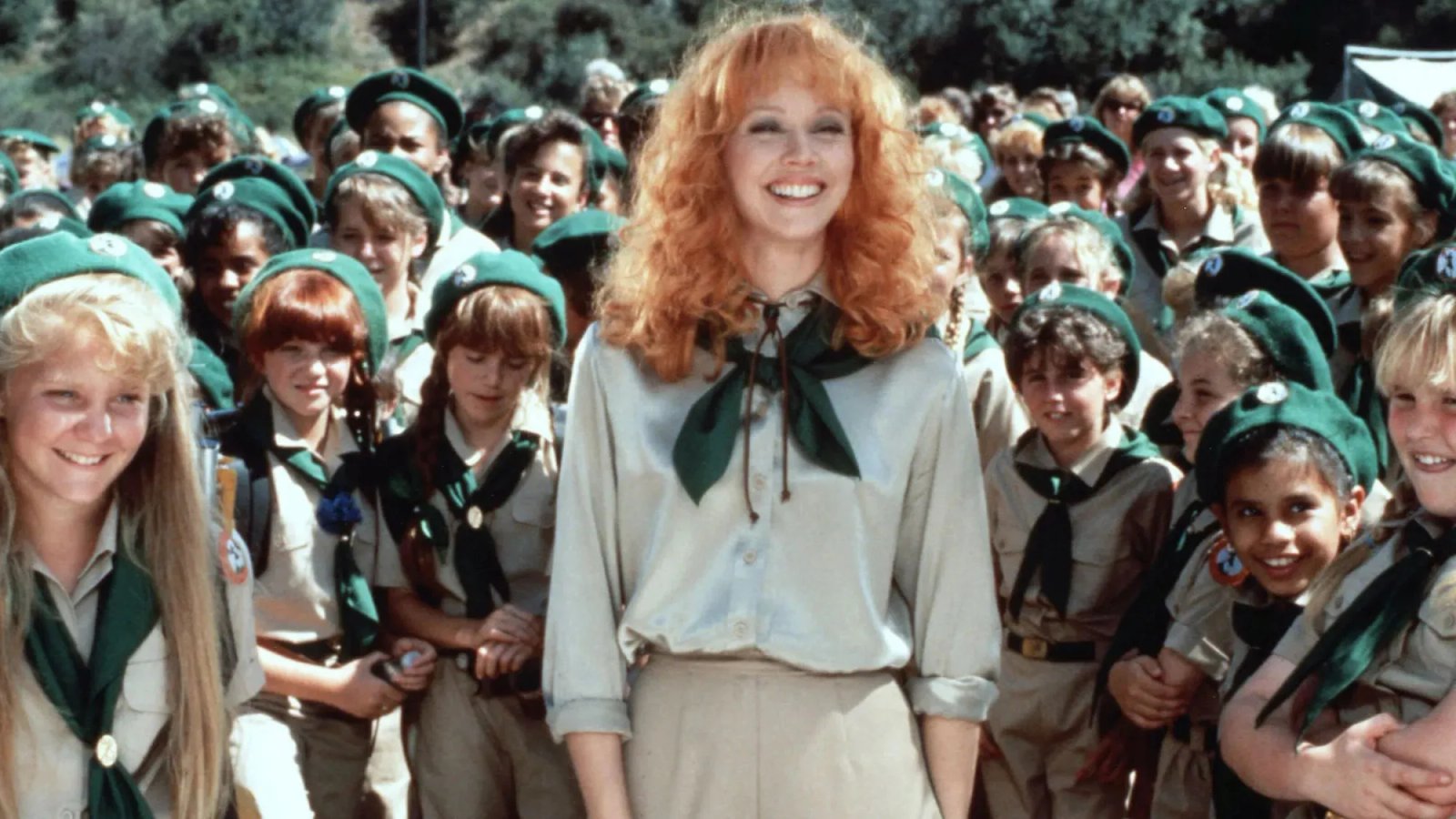
Troop Beverly Hills is a 1989 American adventure comedy directed by Jeff Kanew and starring Shelley Long as Phyllis Nefler, a Beverly Hills socialite going through a divorce who decides to lead a troop of scouts. Once we hit theaters, the movie earned an abysmal $8.5 million at the box office against an $18 million budget. In addition, critics piled on the movie, bashing the tone, story, and even the performances. By any conventional measure of success, Troop Beverly Hills was a flop.
Then something unexpected happened. In the years since its release, Troop Beverly Hills became a cult classic for its subtle feminist message and its illustration of 1980s excess, gaining newer audiences through repeat airings on the Disney Channel in the 1990s. Kids who grew up catching it on cable fell in love with what critics had entirely missed. For instance, Phyllis’s husband leaves her because he considers shopping, dining, and maintaining their gilded lifestyle to be “nothing,” but Phyllis pushes back, arguing that designing a beautiful home, raising their daughter, and building the image of success that the entire family benefits is hard work. For a 1989 mainstream comedy, that’s a quietly radical position.
The movie’s cult grew in unexpected directions, too. Its campy aesthetic, over-the-top costumes, and arch humor made it essential viewing for queer audiences, with Stephanie Beacham’s trashy romance novelist character, cameos from actors later famous for queer television hits, and the sheer spectacle of Long’s wardrobe all contributing to its enduring appeal in LGBTQ+ circles. Today, there are Troop Beverly Hills quote nights at movie theaters, theme parties, and a fan community that treats the film as a genuine precursor to the high-femme classics audiences know and love, such as Legally Blonde and, more recently, Barbie.
What do you think of the original Troop Beverly Hills? Leave a comment below and join the conversation now in the ComicBook Forum!
