


The FPS genre has continued to evolve in unique ways over the years, but titles like Doom: The Dark Ages have attempted a “less is more” approach in some ways. Although this has crafted something enjoyable, there are features from past titles in the genre that have felt more rewarding. Even though it has been over half a decade since one game’s release, its blend of mechanics encouraged players to truly master FPS skills to achieve victory with flying colors.
Most FPS titles have a straightforward loop, with fast movement and weapon mastery defining success throughout various missions or multiplayer modes. Not every game in this genre has varied enemies and unique interactions between them and the player that forces them to change their strategy throughout different firefights. Out of any FPS, Doom‘s modern entries tend to find engaging ways for you to approach enemy encounters, either through explosive exchanges or difficult obstacles.
Doom: Eternal’s Combat Still Feels Extremely Fluid 6 Years Later Through Its Speed
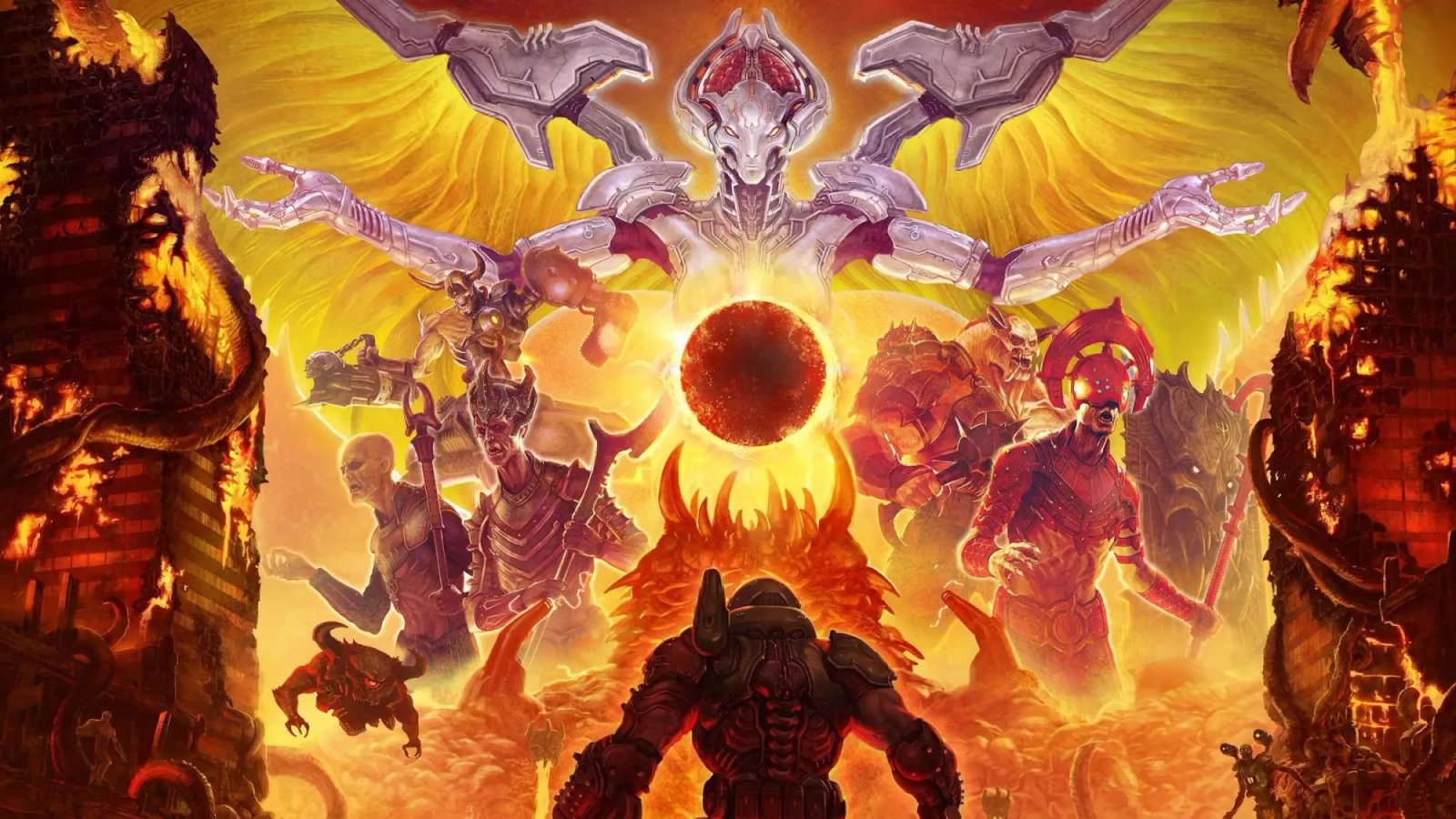
To this day, Doom: Eternal still has some of the best combat of any FPS, creating a high-speed blender of enemies for the Doom Slayer to fight through. Each enemy is especially designed for specific weapons to counter, opening up opportunities for you to glide fluidly from encounter to encounter. For example, the cyborg Doom Hunter has a floating platform weak to energy weapons, making the Plasma Gun in your arsenal a great counter.
This rock-paper-scissors approach to combat makes it easier for players to tackle problems one at a time, even if the odds can get overwhelming. The fast movements of enemies are matched by the Doom Slayer’s insane variety of mobility options. Double jumps, swift dashes, and multiple mobility tools from other weapons help make Doom: Eternal‘s gameplay extremely fast. For some fans, juggling between swapping weapons for the right situation can be overwhelming, but I’ve found that figuring out those systems can be very satisfying.
Other features helped Doom: Eternal‘s combat shine, such as the “Meat Hook” properties of the Super Shotgun. Being able to pull yourself toward enemies made it easier to quickly perform Glory Kills for resources. Similarly, the Chainsaw locking onto targets almost teleported you to weaker opponents, granting you tons of ammo when you had the fuel to do so. All of these mechanics blended together, demanding a lot of technical skill from players, but never withholding information or solutions to help you navigate a spectacular FPS power fantasy.
The Fortress Of Doom Was The Perfect Way To Space Out Missions & Secrets
Courtesy of Id Software
Combat wasn’t the only feature in Doom: Eternal that shined, as the existence of the Fortress of Doom hub area also helped organize the FPS in an interesting way. This location was a space for you to take breaks between missions, but also served as a place where some missions would progress too. As you completed different parts of the game, new areas in the fortress would unlock, giving you access to secrets and new tools.
For example, the Unmaykr weapon was unlocked in the Fortress of Doom if you obtained Empyrean Keys from special challenge Nests hidden throughout different levels. Spending Sentinel Batteries found in levels also help you buy upgrades from the Fortress too, strengthening your skills for the next battles. To expand this concept even further, collectibles were scattered throughout this region too, showing off secrets you found in various missions and letting you interact with them as Easter Eggs.
No More Glory Kills Or Other Combat Mechanics Made Doom: The Dark Ages Feel Somewhat Stale
By comparison, Doom: The Dark Ages was meant to make players feel more grounded than Doom: Eternal, using traditional run-and-gun mechanics rather than the high-speeds of its predecessor. This deliberate approach to make the Doom Slayer feel more like a “tank” than a “fighter jet” has its pros and cons, but overall includes far less systems. The biggest removal was the concept of Glory Kills in general, which were diminished in favor of quick finishers more akin to other FPS titles.
Lack of double jumping, dashes, or other mobility mechanics are exchanged for heavier strikes and impact, but Doom: The Dark Ages tends to feel somewhat lacking. Projectile parries and shield throws hardly make up for the whirlwind of weapon switching and guerilla tactics of Doom: Eternal. In many cases, it can be frustrating in Doom: The Dark Ages to take on larger enemy hordes with fewer variety, overall demanding less adaptation in combat.
With less of a focus on quick, moment to moment action, Doom: The Dark Ages can feel somewhat linear in its approach to mission structure, without the thrill of fast, focused combat. Although Doom: The Dark Ages is a fantastic entry in the series, the heights of Doom: Eternal‘s system mechanics and organization are hard to match even after many years.
Do you prefer Doom: Eternal‘s combat to Doom: The Dark Ages? Leave a comment below or join the conversation in the ComicBook Forum!
