


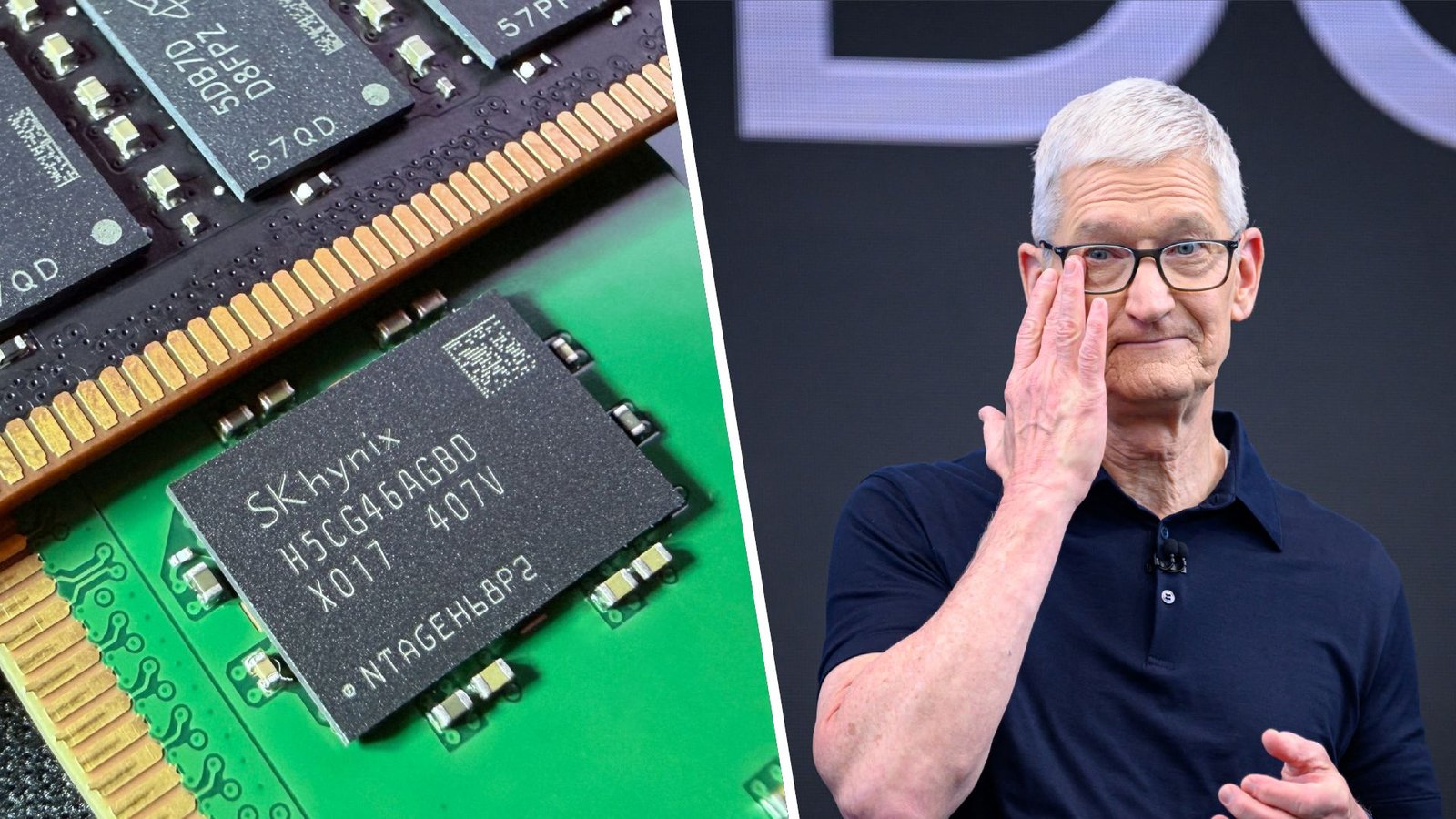
Apple has bitten the bullet. The house that Steve Jobs built took its store offline a little earlier. When it came back, punters were confronted with a bleak new reality: Macs and iPads are now hundreds of dollars dearer. Here’s a tasting platter of new starting prices:
- The MacBook Air now starts at $1,299, up from $1,099,
- The MacBook Pro now starts at an eye-watering $1,999, up from $1,699.
- The MacBook Neo will now set you back a minimum of $699, up from its original price of $599.
- The iPad Air now starts at $749, up from $599
- The iPad Pro now starts at $1,199, up from $999
- If you were gonna splurge, get ready to splurge all the more: the M4 Max Mac Studio is up to $2,499 from $1,999
Until now, Apple had managed to be the one exception to the memory crisis. Even as the waters rose for everyone else, the company’s prices stayed firm, held steady by one of the most valuable corporations on Earth’s relationship with suppliers and, perhaps, the fact it already prices its tech to make a comfy profit for itself at the best of times.
“We have now reached a point where we need to begin raising prices,” Apple said in a statement picked up by the Wall Street Journal. “We have never seen a component price increase this much, this quickly.”
Latest Videos From
At least for now, Apple is not increasing the price of the iPhone, its number-one moneymaker, but it certainly hasn’t said it won’t do that. Indeed, just last week outgoing Apple CEO Tim Cook told the WSJ that “Unfortunately, price increases are unavoidable… we’ve been trying to shield our customers from the increases, but the situation has become unsustainable.”
For as much as I am certain Apple likes making money, it’s not happy about this (much like Valve is not happy about the expensive price of its new Steam Machine). In that same interview, Cook said that “We definitely need memory pricing and supply to return to reasonable levels for consumer products. That’s the bottom line.” Amen to that, Tim.
You may like
