


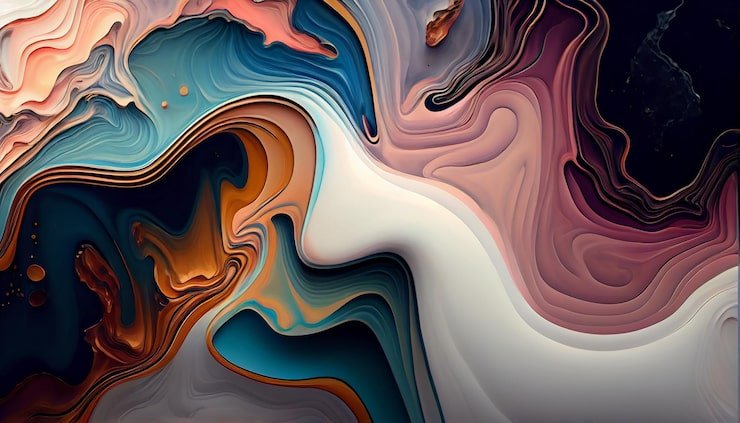
Artificial Intelligence (AI) has rapidly reshaped the creative landscape, particularly in the fields of digital art and photography. What once required years of skill, expensive tools, and complex editing techniques can now be achieved with advanced algorithms in a matter of seconds. From generating stunning wallpapers to enhancing professional-grade photography, AI is revolutionizing how visuals are created, edited, and consumed. This article explores how AI is influencing visual creativity, focusing on wallpaper generation and photography innovation, while highlighting key trends and future possibilities.
AI-Powered Wallpaper Creation
AI-driven wallpaper tools have become increasingly popular due to their ability to generate visually striking designs tailored to individual preferences. These platforms analyze user inputs—such as themes, colors, moods, and styles—and produce unique wallpapers that match specific requirements.
One notable advantage of tools like ai wallpaper pro is their capacity to deliver high-resolution, customized visuals without requiring any artistic expertise. Users can simply input a prompt, and the AI generates a design that aligns with their vision. Whether it’s abstract art, nature-inspired scenes, or futuristic landscapes, AI ensures variety and originality.
Additionally, AI wallpaper generators are constantly improving through machine learning. They learn from user behavior and feedback, enabling them to refine outputs over time. This makes them not just tools, but evolving creative assistants.
Personalization and User Experience
Personalization is one of the strongest aspects of AI in visual design. Unlike traditional design methods, AI can adapt outputs based on user preferences, device types, and usage patterns. For example, wallpapers can be optimized for different screen sizes, lighting conditions, or even time of day.
AI tools also allow users to experiment with styles that they may not have considered before. By offering suggestions and variations, these platforms expand creative possibilities. This results in a more engaging and interactive user experience.
Furthermore, personalization extends beyond aesthetics. AI can create wallpapers that reflect emotions, seasonal changes, or even trending topics, making visuals more relevant and meaningful to users.
Efficiency and Time-Saving Benefits
Traditional graphic design and photography workflows often require hours of effort. AI significantly reduces this time by automating complex processes such as color correction, composition, and rendering.
For businesses and individuals alike, this efficiency translates into cost savings and increased productivity. Designers can focus more on conceptual ideas rather than repetitive tasks, while casual users can create professional-quality visuals without specialized training.
Moreover, AI tools are accessible through web platforms and mobile applications, making them convenient for users at all levels. This democratization of design has opened doors for more people to engage in creative expression.
AI in Modern Photography
Photography has also undergone a transformation with the integration of AI technologies. From capturing images to post-processing, AI enhances every stage of the workflow.
An advanced ai photography engine can automatically adjust lighting, detect subjects, and optimize image quality in real time. This is particularly useful for both amateur photographers and professionals who want consistent results with minimal manual intervention.
AI can also analyze large volumes of images to identify patterns, making it easier to organize and manage photo libraries. Features such as facial recognition, object detection, and scene categorization streamline the editing and sorting process.
In addition, AI enables creative experimentation by applying filters, effects, and enhancements that mimic professional editing techniques. This allows photographers to achieve artistic results without extensive technical knowledge.
Ethical Considerations and Challenges
Despite its many advantages, AI in visual creativity raises important ethical concerns. Issues such as originality, copyright, and data privacy are becoming increasingly relevant as AI-generated content becomes more widespread.
For instance, AI models are often trained on large datasets that may include copyrighted material. This raises questions about ownership and the legitimacy of generated outputs. Additionally, the ability to create hyper-realistic images can lead to misuse, such as misinformation or deepfake content.
Another challenge is the potential loss of traditional artistic skills. As AI tools become more dominant, there is a concern that reliance on automation could reduce the value of human creativity and craftsmanship.
Addressing these challenges requires a balanced approach that combines technological advancement with ethical guidelines and responsible usage.
The Future of AI in Visual Arts
The future of AI in visual creativity looks promising, with continuous advancements expected in both wallpaper generation and photography. Emerging technologies such as generative adversarial networks (GANs) and diffusion models are pushing the boundaries of what AI can achieve.
In the coming years, we can expect even more realistic and customizable outputs, as well as greater integration with virtual and augmented reality. AI may also play a significant role in collaborative creativity, where humans and machines work together to produce innovative designs.
Furthermore, as AI tools become more intuitive, they will likely become an essential part of everyday creative workflows. This will empower individuals and businesses to produce high-quality visuals with unprecedented ease.
Conclusion
AI is transforming the way we approach visual creativity, making it more accessible, efficient, and innovative. From generating personalized wallpapers to enhancing photography workflows, AI tools are redefining the boundaries of what is possible.
While challenges such as ethical concerns and skill dependency remain, the benefits of AI in this field are undeniable. By embracing these technologies responsibly, users can unlock new levels of creativity and productivity.
As AI continues to evolve, it will undoubtedly play a central role in shaping the future of digital art and photography, offering endless opportunities for exploration and expression.
