


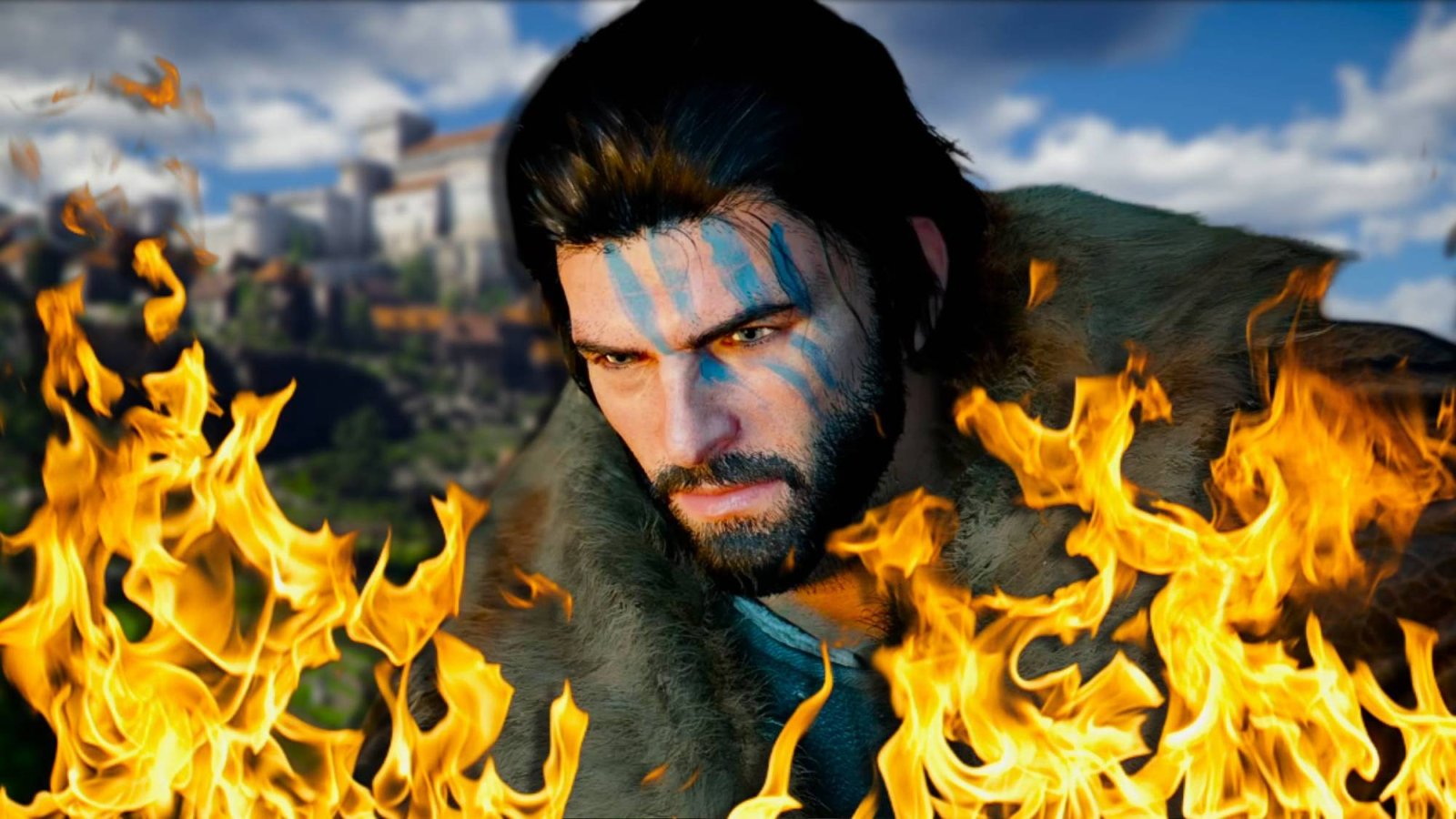
There was a moment in time, particularly the first few days of release, when Crimson Desert felt unapologetically itself. It was honestly grand. It asked something of you, demanded presence, and refused to bend simply because you struggled. That identity did not land cleanly with everyone, and the response was immediate. Complaints about difficulty began to define the conversation, the ambition of what Pearl Abyss had built. And so, the studio did what many studios do when pressure mounts. It listened, perhaps a little too closely.
What followed can only be described as a gradual erosion of its challenge; a bonafide rot-down of frictional challenge. Pearl Abyss saw the screams of dissatisfaction, and edges were dulled as a result. A game that once felt like it had teeth began to lose its bite. Now, with the very recent announcement of an incoming and dedicated difficulty setting, there is a sense that the pendulum is swinging back toward balance. Not a return to what was, but a recognition of what should have been, and stayed there from the start.
Crimson Desert’s Difficulty Problem Didn’t Need Fixing, Just Options
Courtesy of Pearl Abyss
The original challenge of Crimson Desert was never inherently flawed like some believe. It was demanding, yes, and at times even unforgiving, but it carried a clarity of intent that is increasingly rare in today’s gaming ecosystem, usually carried by the advent of the Souls-like genre. Combat asked you to learn, to adapt, to respect the systems rather than brute force your way through them. There was friction, and that friction created meaning. That is not a problem to be solved. That is a foundation to be preserved. It gave the game a voice, one that spoke through resistance rather than concession.
What went wrong was not the presence of difficulty, but the absence of flexibility. Players who struggled had no recourse beyond pushing through or stepping away, and that lack of accessibility became one of the focal point of criticism. Instead of addressing that gap with options, the response flattened the experience across the board. Encounters were tuned down in massive ways and the overall tension diminished. In trying to make the game more approachable, Crimson Desert a lot of the very identity that made it compelling in the first place. The edges that once defined it became indistinct, almost hesitant. What remained was functional, but man was it no where near as exciting.
Courtesy of Comicbook
But, and this must be said: there is a quiet disappointment in watching a game retreat from its own strengths and ideals. The reality is that the game didn’t need a difficulty slider. Not because difficulty should be gatekeeping, but because it should be intentional. A hard game that knows why it is hard, commands respect. A game that abandons that conviction risks becoming indistinct.
By “nerfing” challenge and easing the friction, Pearl Abyss has given players not willing to be open-minded and out. The solution was never to remove the challenge. It was to contextualize it, to give players the ability to meet the game on their own terms without stripping away what made it special. The new difficulty slider will, at least, give the player base the option to return to the friction many of us loved. This is also not a bad thing. That kind of design respects both the player and the vision behind the game. It allows difficulty to exist as expression, not obstacle.
A New Difficulty Setting Could Finally Satisfy Both Sides of the Playerbase
Courtesy of ComicBook
The introduction of a difficulty setting signals a course correction, one that acknowledges the misstep without discarding the lessons learned. It suggests that Crimson Desert is ready to embrace a broader range of players without compromising its core identity. Those who want the original, demanding experience can reclaim it, while others can engage with the game in a way that respects their limits. This is not dilution. It is refinement through choice. It restores a sense of authorship to the player that had was being seesawed away. More importantly, it does so without asking the game to forget what it once was, or at least, that’s the hope.
What makes this shift meaningful is not the feature itself, but what it represents. It is an understanding that difficulty is not a singular value to be adjusted universally, (though games that do not alter difficulty and offer no options, tend to be more impactful), but a spectrum that players inhabit differently. By formalizing that spectrum, Pearl Abyss allows the game to exist in multiple states without forcing a compromise. The experience becomes personal again, shaped by preference rather than dictated by necessity. That autonomy restores something that was lost in the initial wave of changes. It invites players back into a relationship with the game rather than a negotiation with it. That distinction carries weight enough to be worthy.
There is still work to be done, of course. Balance must be very carefully considered, and the integrity of the higher difficulty modes must remain intact. No sacrifice will be too little. But, above all lese, this is the right direction, and it arrives with a sense of humility that is worth recognizing. Crimson Desert was never meant to be everything to everyone in a single form. Now, it has the chance to be something more nuanced.
What do you think? Leave a comment below and join the conversation now in the ComicBook Forum!
