


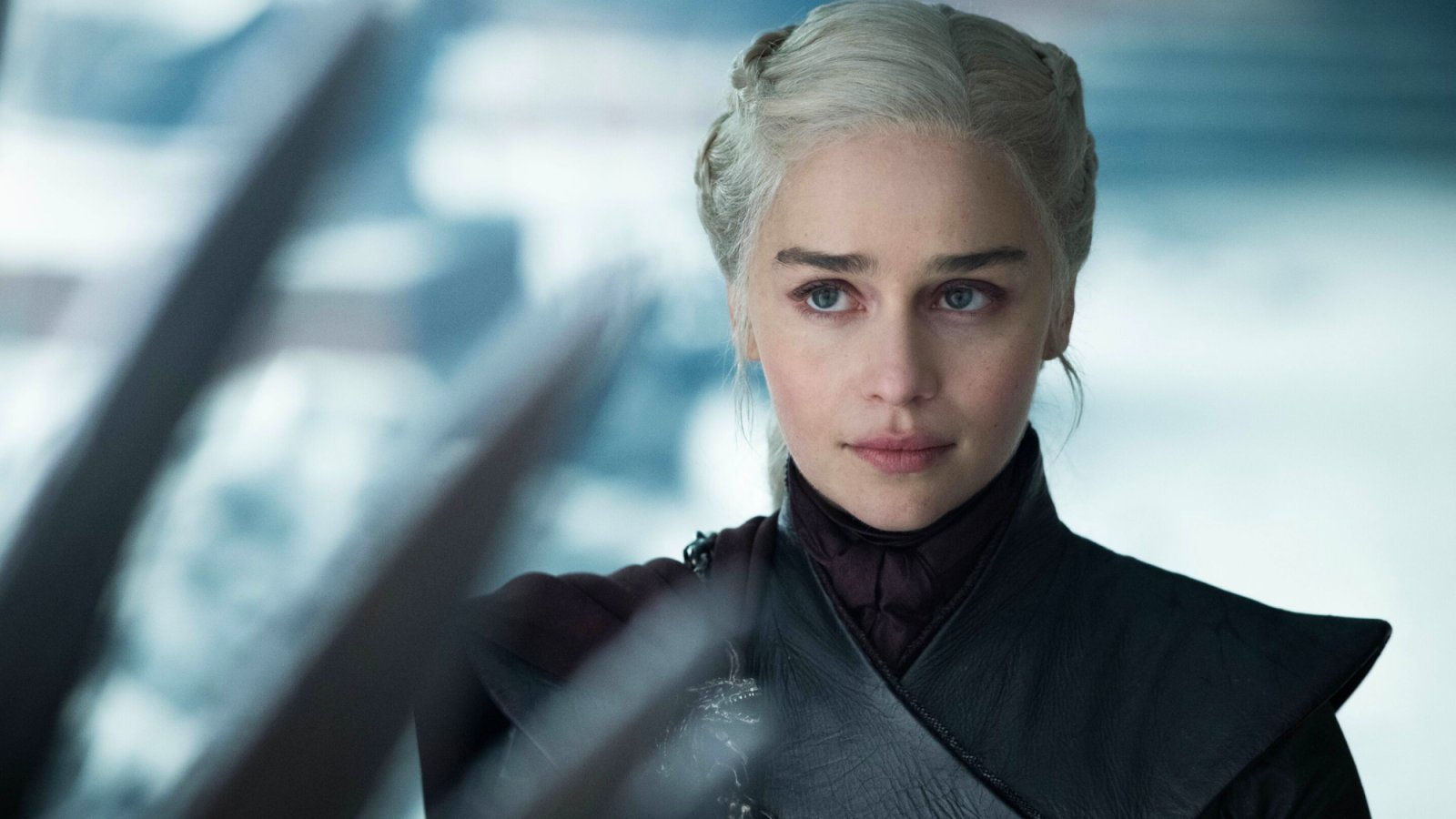
Ever since Game of Thrones ended, there’s been a void in the TV landscape. As much as the show’s legacy now includes its punching bag of a series finale, it was also a series that captured the zeitgeist in a way nothing has managed since. There’s long been talk about what the next Game of Thrones will be, with HBO’s own answers to that question ranging from Succession to House of the Dragon, but nothing has really come close.
The rise of streaming has irrevocably changed television in a post-Thrones landscape, meaning it stands as the last true watercooler TV show where it felt like everyone was sat watching it at the same time every week. That last part is particularly important in this: while something like Stranger Things was undeniably huge, its release method largely prevented it from dominating the conversation for 10 straight weeks like Game of Thrones did. With so many shows, across so many streaming services, audience attentions are more divided than ever, but it 2026 is bringing the one show that might be able to change that.
HBO’s Harry Potter Remake Could Reach Game Of Thrones Levels Of Success
Image via HBO
HBO’s Harry Potter remake would appear to be better positioned than anything else in the last seven years to replicate the success Game of Thrones had in the 2010s. Certainly, compared to many of the others, it has a built-in audience advantage: one of the biggest-selling book series of all time, a movie franchise that grossed $9.5 billion (that makes the Wizarding World the fourth biggest of all time, behind the MCU, Star Wars, and Spider-Man), and the driver of a theme park, merchandise, and tourism empire that not much comes close to.
Interesting, the thing that sets it apart from a lot of those other franchises – because, of course, we have seen Star Wars and Marvel shows too, which haven’t hit Thrones levels of popularity or pop-culture dominance – is simultaneously its biggest challenge: this isn’t a spinoff, sequel, or prequel; there’s no side story or character or other part of the timeline here. It’s the stories that the fans love, being told anew. That makes it harder from a quality point-of-view, because the movies remain beloved. It also makes it harder in terms of the balance it has to get right, because it needs to tap into nostalgia while simultaneously doing its own thing.
But in terms of people tuning in, it ensures that it’s going to be very difficult to miss, because it is telling the story, not just another story. That’s combined with its mass audience appeal, from adults who read the books in the 1990s, to teenagers who’ve seen the movies, to younger kids who’ll be discovering it for the very first time through the remake, this holds a cross-generational appeal that’s uncommon in a TV series of this scale (indeed, given its levels of sex and violence, not even Game of Thrones had that aspect to it; The Mandalorian came close, but petered out quality-wise).
HBO is smartly looking to capitalize on this with a Christmas release, which should allow the series to get off to a flying start. It’s going to dominate the holiday window, and that can establish it as a week-to-week behemoth. The trailer for Harry Potter and the Philosopher’s Stone supports this, too: it received 277 million cross-platform views in its first 48 hours, more than double the previous record for HBO and HBO Max. Even if some people are tuning in out of curiosity more than genuine excitement, there’s a good chance this breaks every streaming record going when it debuts.
Harry Potter’s Production Timeline Is A Barrier To Repeating Game Of Thrones’ Success
Image via HBO Max
The flip-side to this is a problem that has plagued so many shows in the streaming era: how long it takes to return. It can’t be overstated that one of the things that helped turn Game of Thrones into appointment viewing is its reliability. For six straight years, it came back at the same time every 12 months, with Season 7 then only slightly later. There was a year gap before Season 8, but it was fully established as the world’s biggest show by that stage.
Nowadays, the idea of a show of that production size pulling it off seems almost impossible. House of the Dragon has two-year gaps between seasons, Stranger Things had three, and that is largely the norm. It’s hoped that Harry Potter Season 2 will be ready in time for a Christmas 2027 release, but in general HBO is preparing for this to take 10+ years for seven seasons. Once the stories start getting bigger, then an 18 month turnaround seems like the best-case scenario, and it’s easy to think it’ll be longer.
That’s one of the big challenges it faces in becoming a Game of Thrones-sized hit, especially in retaining the interest from all levels of its audience as kids become teenagers and teenagers grow-up. It should still be massive, but the risk of things waning the longer it takes is there, and highlights just how much TV has changed since Thrones ended.
What do you think? Leave a comment below and join the conversation now in the ComicBook Forum!
