


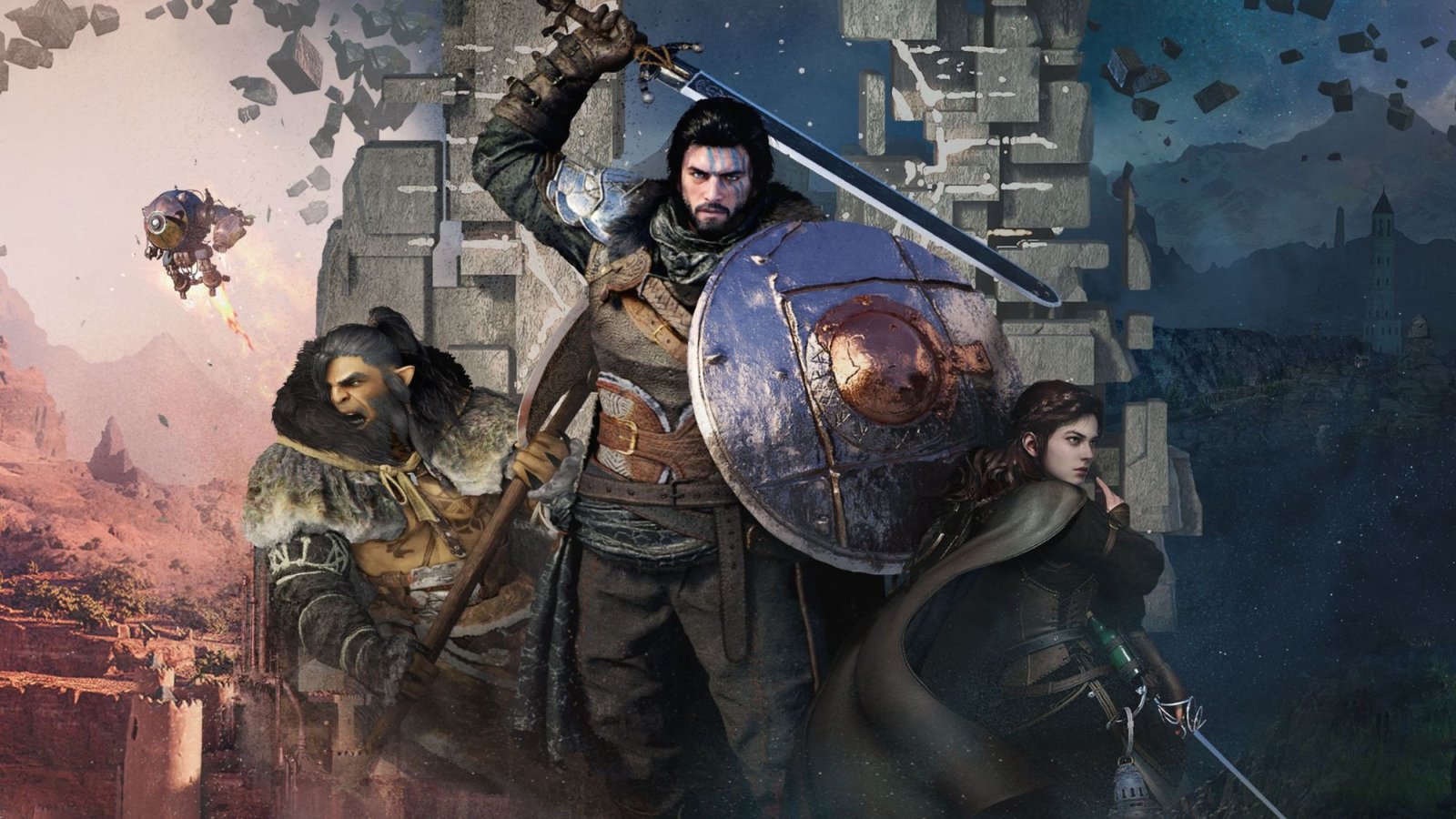
In an industry obsessed with chasing the next forever game, Pearl Abyss did something that almost feels backwards. While most studios are busy turning their biggest ideas into live services designed to keep players engaged for years, this developer stepped away from that model to deliver something far more contained. That makes Crimson Desert stand out before even considering what the game actually is.
While most major studios usually push from single-player into multiplayer and live-service games, Pearl Abyss did something almost unheard of. After nearly a decade of running a massive live-service success with Black Desert, the studio released a large-scale, story-driven single-player experience. In today’s market, where recurring revenue often drives design decisions, that move is extremely rare. It immediately raises the question of why a studio would take such a risk in the first place. The decision also signals a confidence in the quality of the experience itself, trusting players to engage deeply without needing ongoing hooks.
Why Most Big Studios Are Shifting Toward Multiplayer and Live Service
Modern game development is dominated by sustainability. Single-player games can sell millions of copies at launch, but live-service titles generate revenue for years through updates, expansions, and ongoing player engagement. That difference has pushed countless studios to prioritize multiplayer experiences that evolve over time. The goal is no longer just to release a great game. Instead, the core objective is to keep players hooks on a product and engaged indefinitely. The result is a juicy, continuous, source of income that goes far beyond just paying the bills. This financial logic has become the driving force behind nearly every major AAA release today, shaping design choices from the ground up.
This shift has transformed entire franchises. Studios that once focused on tightly crafted single-player experiences (BioWare for example) have gradually added multiplayer layers or shifted entirely to live-service models. The reasoning is clear: a successful live-service game can outperform multiple traditional releases combined, turning one product into a long-term platform instead of a single sale. This has, naturally, created a market where recurring content and ongoing monetization feel mandatory. This approach also affects how stories are told, with narrative often taking a backseat to systems designed for longevity rather than completeness.
Over time, this approach has started to feel like the industry default. Players now expect battle passes, seasonal events, and constant content drops even in traditionally single-player franchises. It has made Pearl Abyss’ decision with Crimson Desert even more unusual. Instead of following the predictable path toward live service, they intentionally moved in the opposite direction. That choice highlights how rare it is to see a studio willing to prioritize player experience and narrative focus over financial certainty.
Crimson Desert’s Single-Player Focus Is a Rare Move in Today’s Market
Crimson Desert stands out not just because it is single-player, but because it followed Black Desert, a proven, sucuessful, live-service phenomenon. Most studios in Pearl Abyss’ position would have doubled down on what already worked, expanding their multiplayer ecosystem to maximize recurring revenue. That path is safe, predictable, and widely used across the industry. By taking a different route, Pearl Abyss is proving that a bold, story-driven approach can still capture attention in a market dominated by ongoing engagement metrics.
Instead, Pearl Abyss invested heavily in a narrative-driven experience that demands full attention from players. The game offers a cohesive story with a beginning, middle, and end, rather than stretching its content across years of updates. That decision reinforces a focus on quality and immersion over monetization, something rarely seen in today’s AAA market. By keeping the player’s experience front and center, Crimson Desert positions itself as a unique alternative to the constant churn of live-service games.
Of course, there is risk involved. Single-player games rarely match live-service titles in long-term revenue, and the studio had to ensure Crimson Desert would succeed on its own merits. Pearl Abyss demonstrated that ambition and design vision can outweigh purely financial calculations, or even, outright desire. With its release, the game now stands as a testament to the idea that major developers can still choose to prioritize bold, self-contained experiences, even in a world dominated by live-service expectations. This risk-taking also signals to the industry that innovation and creativity can still compete with the safest business models.
What do you think? Leave a comment below and join the conversation now in the ComicBook Forum!
