


Irish Nation Building: Government, Business and Power, 1922-1958 by Emmet Oliver (Palgrave Macmillan, 234pp, €139.09)
Twenty-six individual railway companies that were struggling financially; banks that were averse to lending to the State or to anyone but high-net-worth clients; insurance companies that sent 80 per cent of their premiums to London or Edinburgh; and the absence of any indigenous shipping companies were among the problems facing the first Irish Free State government a century ago. The piecemeal and patient overcoming of these obstacles, amid economic stasis and world war, in the decades before Ireland’s first Programme for Economic Expansion in 1958 is examined in detail by Oliver, a former IDA employee and Irish Times journalist turned Trinity College Dublin business lecturer, in this thorough, valuable but expensive work. Ray Burke
Crick: A Mind in Motion – from DNA to the Brain by Matthew Cobb (Profile Books, £30)
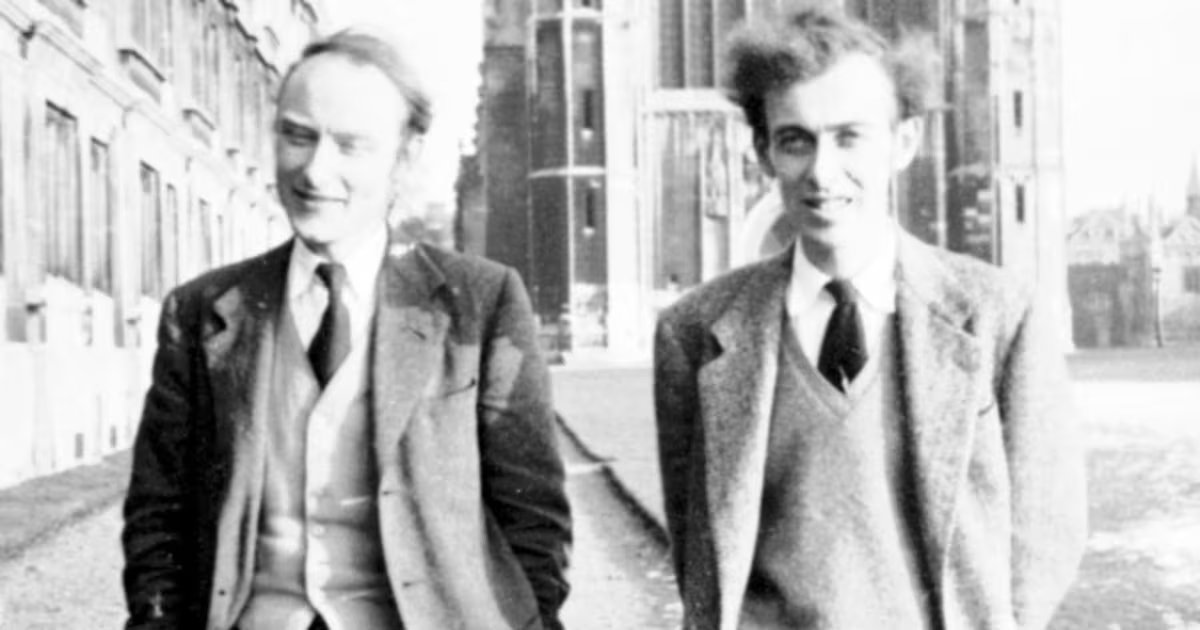
Matthew Cobb has produced an ably written biography of Francis Crick, co-discoverer of the DNA double-helix. Crick’s methodology of discovery and the scientific context from which he emerged are depicted in detail (Rosalind Franklin and the question of whether her research was plagiarised to discover the double helix are kept in focus). Crick’s negative qualities are explored, with space devoted to his flirtations with eugenics and a sexual harassment allegation against him. Overall, Cobb communicates a measured enthusiasm for his subject, placing him in context and recounting a sprawling career, from early fame in molecular biology to subsequent work in neuroscience. The academic politics underlying scientific progress and the many curious encounters of Crick’s life, from Ludwig Wittgenstein to experimental poets, are engrossingly rendered. Seoirse Swanton
Trip by Amie Barrodale (Jonathan Cape, 289pp, £16.99)
In Trip, documentary maker Sandra suddenly expires in Nepal while attending a death-studies conference, and she has to navigate the mysterious life-death space of the Bardo while keeping an eye on her teenaged autistic son, who has hitchhiked a ride with a recovering addict to Florida. This madcap novel may not be for everyone; but from psychotherapists, squabbling spirits, and the seemingly superficial patter of pop jargon and Buddhist dharma, author Amie Barrodale has crafted a tale that is at once howlingly funny and movingly tender about parenthood and closure. “All the time I had spent justifying myself,” Sandra wonders, “wouldn’t it have been easier to have been gentle?” Trip is a rare thing: an on-point spoof of contemporary culture that endures. Mei Chin
