


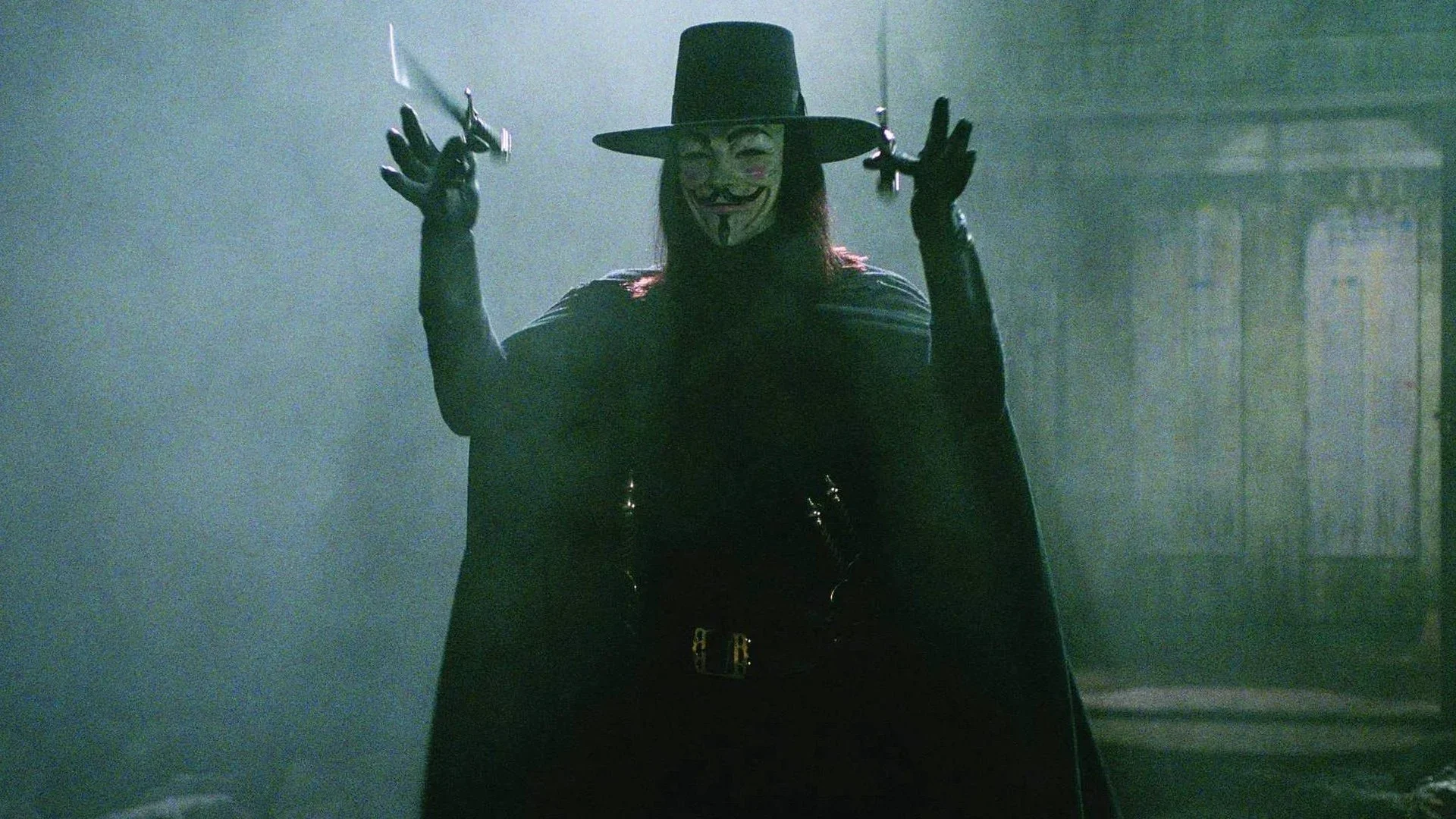
It’s been two decades since V For Vendetta hit theaters and carved out its place as one of the better comic book adaptations ever made.
Fans still celebrate its themes, performances, and eerie relevance, but one very important voice remains unconvinced. According to director James McTeigue, original creator Alan Moore still isn’t a fan, and that hasn’t changed one bit.
Speaking with The Hollywood Reporter, McTeigue opened up about Moore’s long-standing frustration with the film. Their conflict goes all the way back to the early days of development, and it sounds like Moore made his stance clear from the start.
“Well, we had a discussion with Alan Moore in pre-production. He was very forthright about how he thought Hollywood stinks and that we’d make a terrible adaptation of his graphic novel.
“I’m a little bit like, ‘Then you need to get with your reps and stop the selling of your material to Hollywood if you hate it so much.'”
McTeigue also touched on Moore’s complicated relationship with the rights to his work and how that plays into his resistance toward adaptations.
“I think he hides a little bit behind, ‘Well, I made it for Warrior and the imprint that made the comic. Then they sold out to DC, and I had no control over it.’ So he needs to Taylor Swift it up and get back the rights to his material.
“But, look, I can’t blame him. There were a couple of terrible adaptations that had been done previously, so I think he was feeling a little burnt. I still think he doesn’t like V because it’s not a page-by-page turn of his graphic novel.”
Moore has always been vocal about adaptations of his work, often distancing himself from them entirely. For him, the issue isn’t just quality, it’s fidelity.
V for Vendetta the film takes inspiration from the original graphic novel created with David Lloyd and Tony Weare, but it reshapes elements of the story to work in a cinematic format.
Set in a dystopian version of London following a devastating war, the story follows the masked revolutionary V, played by Hugo Weaving, as he wages a personal war against a fascist regime.
Along the way, he rescues and recruits Evey, played by Natalie Portman, pulling her into a dangerous fight for freedom.
While it doesn’t mirror every page of the source material, the movie struck a chord with audiences. Its exploration of authoritarianism, resistance, and personal freedom continues to resonate in a big way. McTeigue believes that’s a big reason the film has endured.
“We just keep falling into the same political cycles, and that’s what makes the film timeless in a way. People can just look around and see that the parallels in the film are always present in different forms,”
That lasting relevance is part of why V for Vendetta still gets talked about today, especially as real-world events echo some of its themes. Even if Moore never comes around, the film has clearly found its audience and held onto it.
At the end of the day, this is one of those rare cases where a movie can be widely loved while its creator wants nothing to do with it. And 20 years later, that tension is still part of the story surrounding V for Vendetta.
