


Shonen anime is fueled by competition and escalating stakes, but some of the most memorable moments come just before or after the final blow. A phrase can represent an entire struggle, define a hero by their values, or transform a villain into a tragic character. These quotes spread far beyond the original episode, passed around because they represent an entire philosophy in a few impactful words.
Across decades, shonen stories have returned to perseverance, friendship, freedom, and the cost of power. What changes is the voice delivering them. Some lines come from reckless dreamers who refuse to slow down. Others arrive from leaders weighed down by responsibility, or rivals who finally admit respect. The best quotes are not there to sound cool. They are there to signal a choice that cannot be undone.
Naruto Uzumaki Famously Declares His Faith in Himself
Naruto’s catchphrase may sound simple, but its power comes from repetition and context. “Believe it!” is said for the first time in Episode 1 of Naruto by a lonely child who starts his journey rejected by almost everyone around him. Each time the words appear in the series, they work as a shield against doubt and ridicule. The line becomes a promise that failure will never be the final destination.
What makes this line memorable is its evolution. The phrase starts off as bravado, but eventually, those words become discipline. Naruto keeps saying the catchphrase because survival demands that kind of stubborn hope. The quote also reflects the story’s larger message that effort and conviction can reshape destiny. While not poetic in a traditional sense, the line earned its place through persistence alone.
Vegeta’s Famous Power Check in Dragon Ball Z Changed Everything
Vegeta gritting his teeth and crushing his scouter after shouting “It’s Over 9000!” in Dragon Ball ZImage via Toei Animation
This line from Dragon Ball Z is short, clean, and instantly recognizable. “It’s over 9000!” became a cultural marker for the idea of power scaling, which is a core part of many battle shonen stories. In Dragon Ball Z Episode 21, an enemy’s strength is measured, and the result is shocking. The surprise is the whole point. The quote delivers that surprise in a way that anyone can understand instantly.
What makes this quote so iconic is how it captures an entire style of storytelling. Conventional shonen anime tropes often build tension by turning strength into a number, then breaking expectations with a sudden jump. This quote became the most famous version of that idea. Even without knowing every detail of the arc, the meaning is clear: the stakes have changed, and the danger is more real than ever before.
Bleach’s Mayuri Turns Perfection Into an Insult
Mayuri Kurotsuchi mockingly grins at Pernida in Bleach: Thousand-Year Blood WarImage via Studio Pierrot
Mayuri Kurotsuchi’s “I hate perfection” from Episode 200 of Bleach is one of the sharpest mission statements in shonen anime. In most stories, perfection sounds like a goal. For Mayuri, perfection sounds like a dead end. Perfect means finished, and finished means no more growth, and no more discovery. That idea fits a character who treats science like a living thing that must change or rot.
The quote also exposes what makes Mayuri so unsettling in Bleach. Progress matters more than comfort. Results matter more than rules. Even victory is not enough if it cannot be studied, improved, and repeated in a stronger form. In a series full of noble speeches about honor and duty, Mayuri’s words land like a cold splash of water. They reject the idea of a final answer.
Captain Yami Challenges the Black Bulls to Grow Stronger
Yami from Black Clover unleashes his full power as darkness engulfs his right armImage via Studio Pierrot
“Surpass your limits. Right here. Right now.” This quote is short, direct, and perfect for Black Clover’s idea of progress through struggle. In Episode 49, Yami does not offer comfort. He offers a push. The line is not about future potential, but about the present moment, when fear and pain make quitting feel reasonable. The quote became famous because it reflects the Black Bulls’ identity.
Many members start as outsiders, judged as weak or useless. Yami’s command turns that judgment into fuel. The quote says strength is not a fixed label. Strength is something that can be forced into existence through will and action. The line also carries urgency without needing extra explanation. This quote is a clean summary of shonen effort at full speed.
Monkey D. Luffy Repeatedly Declares His Dream in One Piece
Few shonen quotes match the clarity of Luffy’s lifelong goal. “I’m gonna be king of the pirates!” is said in the very first episode, and appears again and again throughout One Piece, never changing in wording or in tone. That consistency is exactly why it works. Luffy declares the quote to enemies, allies and strangers alike, making it clear that no threat or setback can bend that dream.
The simplicity hides stubborn courage. No matter how dangerous the world becomes, the goal remains fixed. Over time, the quote gains emotional weight as the journey grows harsher and losses pile up. Each repeat sounds less like childish excitement and more like a vow to honor fallen friends and overcome impossible seas. The quote defines Luffy’s character in one breath: fearless, loyal and unstoppable.
All Might Redefines Peace in My Hero Academia
All Might poses in his muscular form in My Hero Academia.Image via Studio Bones
When danger peaks in My Hero Academia, All Might’s entrance is often marked by the words: “It’s fine now. Why? Because I am here!” The line works because of what it promises. All Might’s arrival often signals safety, and this line turns that idea into pure confidence. Spoken with a wide grin and towering presence since Episode 1, this famous My Hero Academia quote captures how the hero functions as both shield and symbol.
For civilians and heroes alike, hearing those words means disaster is about to end. Criminals retreat, and civilians breathe easier. The world feels steadier simply because he has shown up. The quote also hides vulnerability. All Might says it to project confidence even as his body weakens and his time as the top hero runs out. That tension makes the words have a stronger impact on the audience.
Edward Elric stares intensely in Fullmetal Alchemist: Brotherhood.Image via Studio Bones
“A lesson without pain is meaningless,” reflects the harsh logic of a world built on equivalent exchange. In Fullmetal Alchemist: Brotherhood, every gain requires a loss, and every mistake leaves its mark. The phrase, spoken by Edward Elric, a boy who has made many sacrifices, has experience behind it, not cruelty. The quote does not celebrate suffering. It accepts pain as part of growth.
Edward continues to learn that taking shortcuts leads to disaster, but learning comes only through failure. This is the philosophy that guides his refusal to commit old sins again, and his drive to prevent others from having similar regrets. Episode 64 of Fullmetal Alchemist: Brotherhood offers one of the anime’s many morally complex moments, but it’s one that summarizes the cost of knowledge in a grim but inspiring way.
Gon Defines Resolve With Reckless Abandon in Hunter x Hunter
Gon is completely enraged during his fight with Pitou in Hunter x Hunter.Image via Madhouse
In Episode 131 of Hunter x Hunter, Gon’s declaration, “I don’t care if this is the end. So I’ll use everything,” is shocking because the words break from the usual hopeful tone tied to young heroes. Spoken in a moment of rage and grief, the line signals a willingness to destroy himself to achieve a single goal. The quote lands hard because the series has spent so long showing Gon as cheerful and curious.
Hearing such reckless resolve from that voice feels wrong in a deliberate way. It reveals how far pain can twist even the brightest spirit. In one sentence, the show exposes the dark edge of determination. Wanting victory badly enough can become dangerous. That tension between heroism and self-destruction is why the line remains one of shonen anime’s most haunting statements.
Rengoku Inspires the Living in Demon Slayer
Kyojuro Rengoku from Demon Slayer has his sword out and pointed forward as sparks fly around him.Image via Ufotable
Kyojuro Rengoku’s battle cry of “Set your heart ablaze” is the essence of shonen in four words. The phrase is not about anger or dominance. It’s about courage in the face of fear. The battle cry is a gift given to others in a moment of crisis. What lifts the quote to the top is how it echoes after the scene ends.
Characters in Demon Slayer carry those words forward as a reminder to act with conviction even when the outcome is uncertain. The words from Episode 33 of Demon Slayer become less a battle cry and more a philosophy. The simplicity is important because the quote is something that anyone can understand right off the bat. However, there are layers of meaning. In a genre that thrives on fighting spirit, few lines encapsulate that idea better.
Attack on Titan’s Erwin Smith Turns Fear Into Fuel
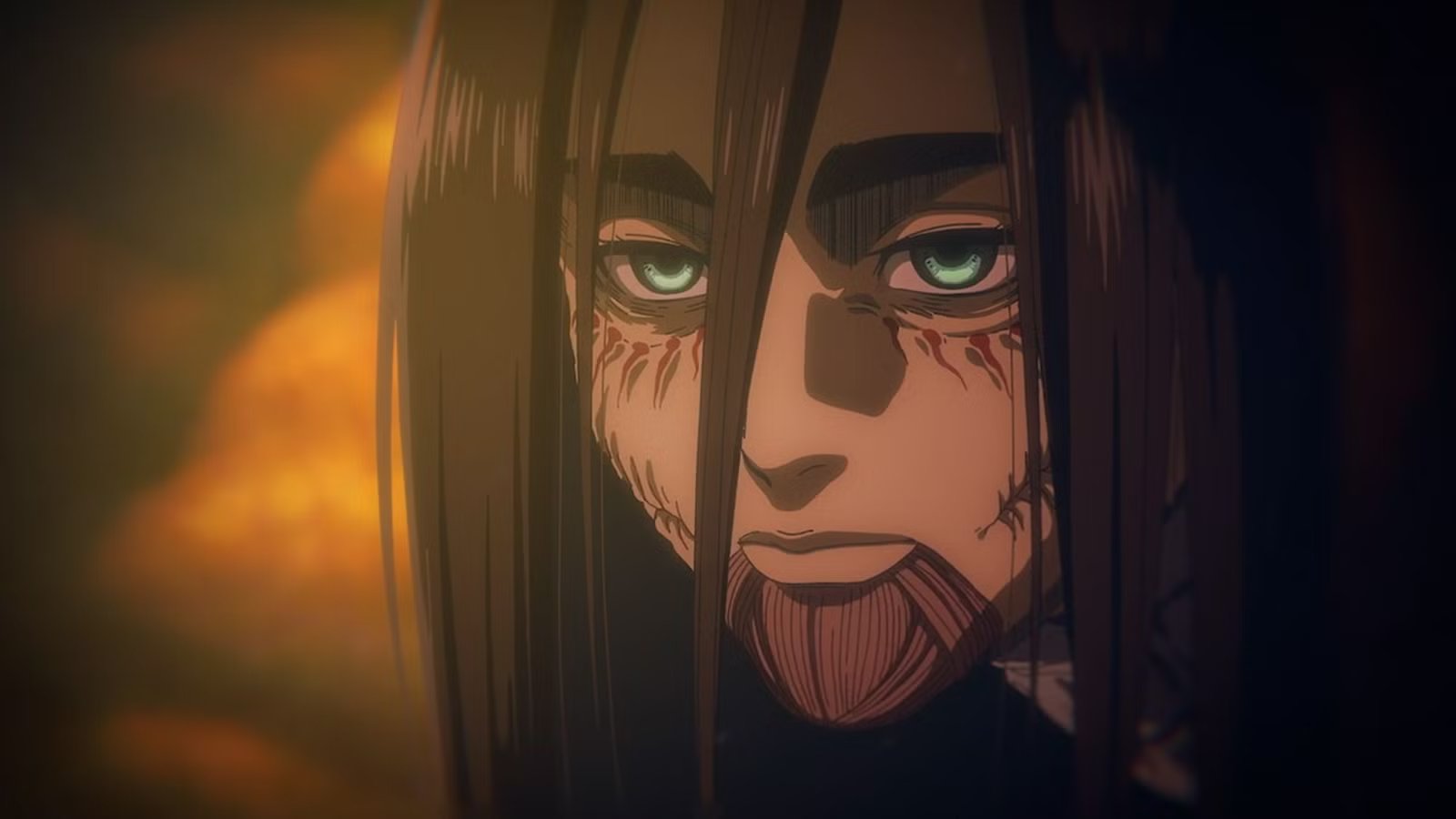
Erwin Smith’s cry in Episode 53 of Attack on Titan is short, brutal and unforgettable: “My soldiers, rage!” The line comes during a desperate charge where death is practically inevitable. Instead of offering false hope, Erwin embraces reality and pushes forward anyway. What makes the quote so striking is its honesty. Death is to be expected and fear is acknowledged, but the order stands.
Rage becomes fuel in a final act of defiance against a cruel world. The speech surrounding the line adds depth, but those three words remain the core. It’s a command meant to force bodies into motion when terror says they should stop. They condense leadership, tragedy and resolve into a single command. Few shonen moments better show how words can turn despair into action.
